Description
Pedicularis keiskei is a perennial herb belonging to the Orobanchaceae family. It is recognized for its unique biological strategy as a hemi-parasite, meaning it derives water and mineral nutrients from the roots of host plants via specialized structures called haustoria, while still performing photosynthesis to produce sugars.
The native distribution of this species is primarily concentrated in East Asia, specifically in Japan and Sakhalin. It thrives in subalpine meadow environments, rocky slopes, and forest fringes where the microclimate is cool and humid. Its geographical preference makes it a rare sight in lowland agricultural zones, highlighting its specific ecological niche requirements.
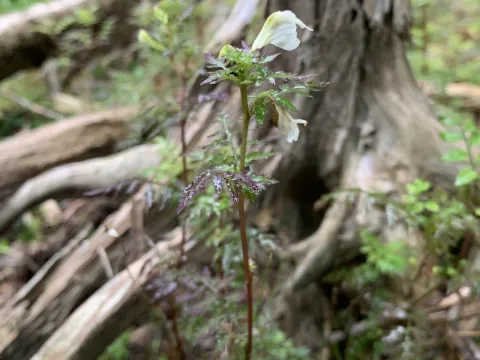
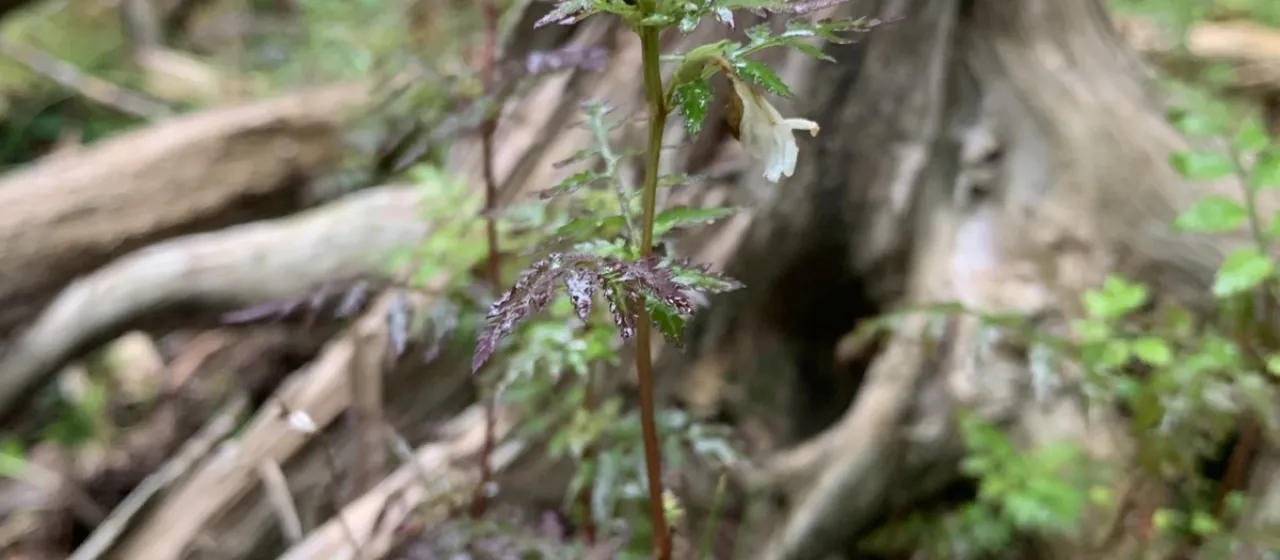
Botanically, Pedicularis keiskei is characterized by a basal rosette of pinnately lobed leaves and an upright, leafy stem bearing a spike-like inflorescence. The flowers exhibit the classic bilabiate structure of the genus, typically appearing in hues of yellow or soft purple. This morphology is highly adapted to attract specialized insect pollinators found in its natural habitat.
Cultivation of this plant is exceptionally complex and requires deep knowledge of its host-dependency. The soil must be well-draining and slightly acidic to mimic its natural mountain environment. Successful cultivation requires a deep understanding of mycorrhizal associations and the presence of suitable host plant species, making it largely unsuitable for standard commercial farming practices.
In terms of хозяйственное (economic) utility, Pedicularis keiskei is mainly valued within academic and ethnomedicinal circles. Various chemical constituents found within the genus are subjects of pharmaceutical research, though usage of this specific species is restricted. The plant faces minimal pest pressure, yet is sensitive to environmental degradation, which remains its primary threat in the wild.
- Family: Orobanchaceae
- Classification: Hemi-parasitic herb
- Distribution: Japan, Sakhalin (East Asia)
- Soil Preference: Well-drained, acidic soils
- Primary Utility: Research, botanical diversity
Photo gallery