Pedicularis mandshurica
Pedicularis mandshurica
Description
Pedicularis mandshurica, commonly known as Manchurian lousewort, is a perennial herbaceous plant belonging to the Orobanchaceae family. It is a distinctive species known for its semi-parasitic nature, relying on the roots of other plants to supplement its nutrient requirements through specialized structures called haustoria.
This plant is primarily native to the Manchurian region, the Korean Peninsula, and parts of the Russian Far East. Its natural habitat includes moist meadows, forest clearings, and riparian zones. It thrives in soils that provide consistent moisture and support for its host plants, which are essential for its survival in the wild.
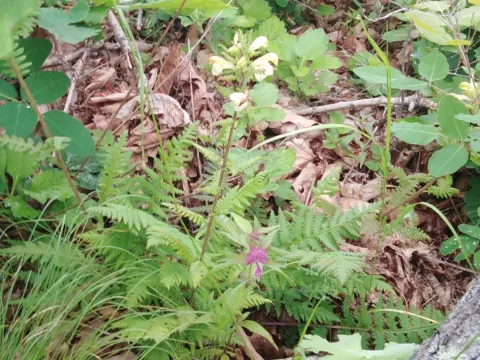
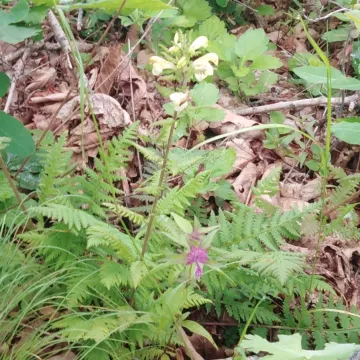
Botanically, Pedicularis mandshurica is characterized by its erect stems and finely dissected, alternate leaves. The inflorescence usually forms a dense, spike-like structure. The flowers exhibit the characteristic helmet-shaped appearance typical of the Pedicularis genus, often displaying yellow or purple hues designed to attract specific pollinators.
Agricultural cultivation of this species is technically challenging. Because it is a semi-parasite, it cannot be grown in isolation or in standard nutrient-rich soils without host flora. Successful cultivation requires a deep understanding of host-parasite interactions and the maintenance of a specific soil environment that fosters healthy symbiosis.
The economic and research interest in Pedicularis mandshurica is mainly linked to its traditional use in phytomedicine. Key aspects include:
- Extraction of bioactive compounds, particularly iridoid glycosides.
- Use in traditional herbal practices for sedative properties.
- Scientific research into potential pharmaceutical derivatives.
Common pests and diseases affecting this species often involve root rot caused by poor soil drainage and susceptibility to various pathogenic fungi. Due to its niche ecological requirements, its populations are highly sensitive to habitat degradation and loss of suitable host plants in the surrounding ecosystem.
Photo gallery