Description
Marsh lousewort (Pedicularis palustris) is a distinctive hemiparasitic herbaceous plant belonging to the Orobanchaceae family. In agronomy, it is frequently studied as a wild plant that interacts with forage crops. Because it is a facultative root parasite, it attaches to the root systems of surrounding meadow plants to obtain water and minerals, which can negatively impact the yield and vigor of desirable grasses.
The species is native to temperate and northern regions of the Northern Hemisphere, including much of Europe and Northern Asia. Its natural habitat includes wetlands, bogs, fens, and damp meadows. It thrives in soils with high organic content and high moisture levels, making it a common sight in areas that have not been drained for intensive agriculture.
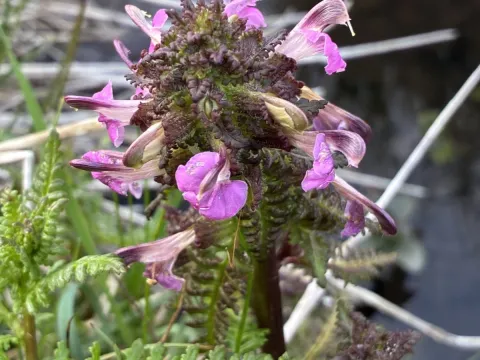
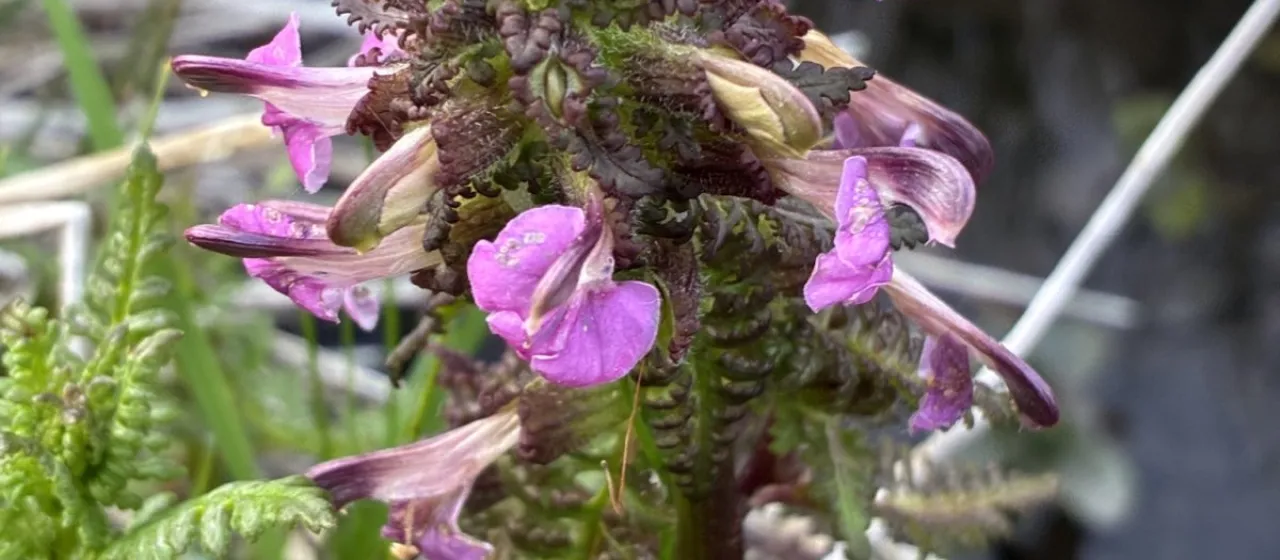
From a botanical standpoint, the marsh lousewort typically grows as an annual or biennial. It features a branched, often reddish stem and deeply divided leaves. Its flowers are characteristically spurred, usually purple or pinkish. The plant's ability to propagate via abundant seed production allows it to colonize new, damp ground rapidly, often outcompeting less aggressive native flora in waterlogged conditions.
Agricultural management of marsh lousewort focuses on habitat modification. Since it is a symptom of poor drainage or high acidity, producers generally employ several key techniques to limit its spread:
- Improving soil aeration and drainage to reduce moisture levels.
- Implementing regular mowing schedules before seed set occurs.
- Soil amendment strategies to balance pH, which can discourage infestation.
The economic impact of marsh lousewort is largely considered negative within the context of hay and grazing lands. The presence of iridoid glycosides in the plant tissues makes it potentially toxic to livestock, rendering hay containing high amounts of lousewort unsafe or unpalatable. Therefore, it is categorized as a weed that requires monitoring and intervention to ensure the quality and safety of forage crops.
Photo gallery