Description
Pedicularis porrecta is a perennial herbaceous plant belonging to the Orobanchaceae family. Commonly referred to as a lousewort, this species has adapted to high-altitude environments. Its biological classification has evolved with modern taxonomy, moving from the former Scrophulariaceae family to its current placement within the Orobanchaceae, reflecting its hemiparasitic nature.
The native range of Pedicularis porrecta includes mountainous and subalpine regions of Central Asia. It thrives in open, sun-drenched meadows and steppe slopes, where it competes effectively for light and nutrients. The plant's distribution is limited by altitude and specific ecological conditions, making it a valuable indicator species for healthy mountain meadow ecosystems.
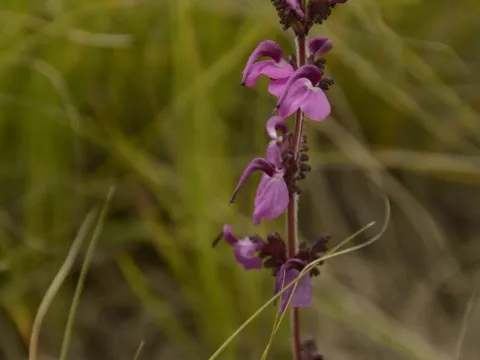
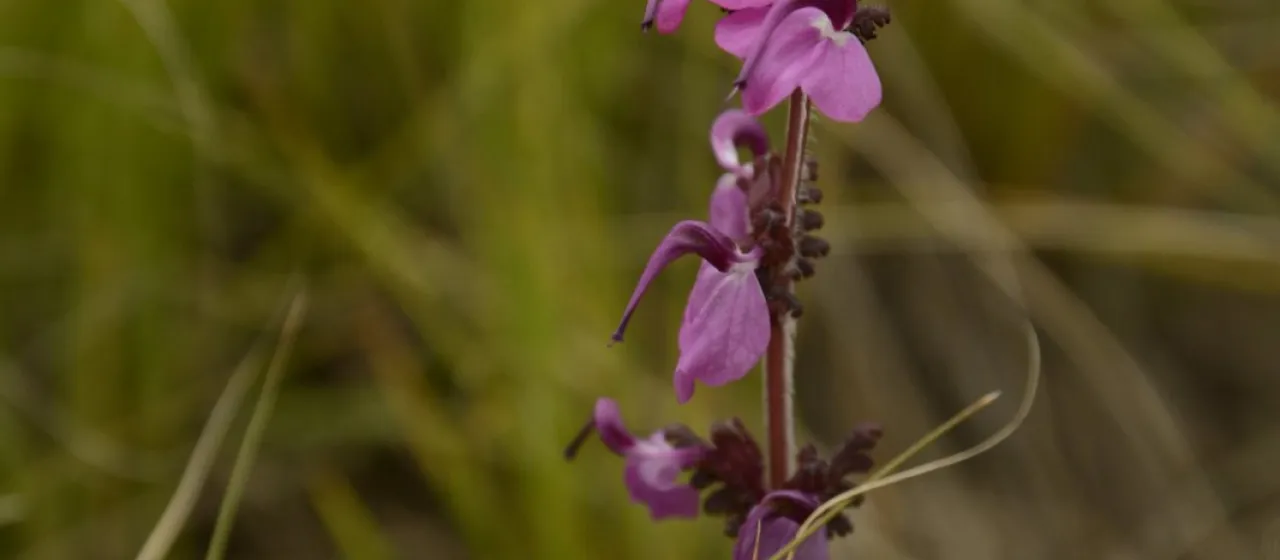
Botanically, the plant is characterized by an upright stem and deeply dissected leaves arranged in a basal rosette. The inflorescence consists of distinct, helmet-shaped flowers, which are typically pink to purple in color. The root system is equipped with haustoria—specialized structures that allow the plant to connect with the root systems of host plants to extract water and essential minerals.
Regarding cultivation requirements, Pedicularis porrecta is not a conventional agricultural crop. It requires well-drained, nutrient-poor to moderately fertile soils and is highly sensitive to soil compaction and nitrogen-heavy fertilizers. In scientific trials, it has shown poor tolerance to waterlogging. Successful growth typically relies on maintaining the specific balance of the surrounding plant community to serve as hosts.
The economic and research value of Pedicularis porrecta lies in its secondary metabolites, particularly iridoid glycosides, which are of interest to the pharmaceutical sector. However, the plant is primarily studied for its ecological role rather than industrial production. Conservation efforts are necessary, as habitat loss due to overgrazing remains the primary threat to wild populations of this species.
Photo gallery