Description
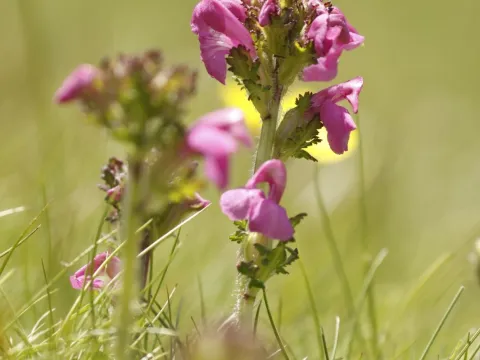
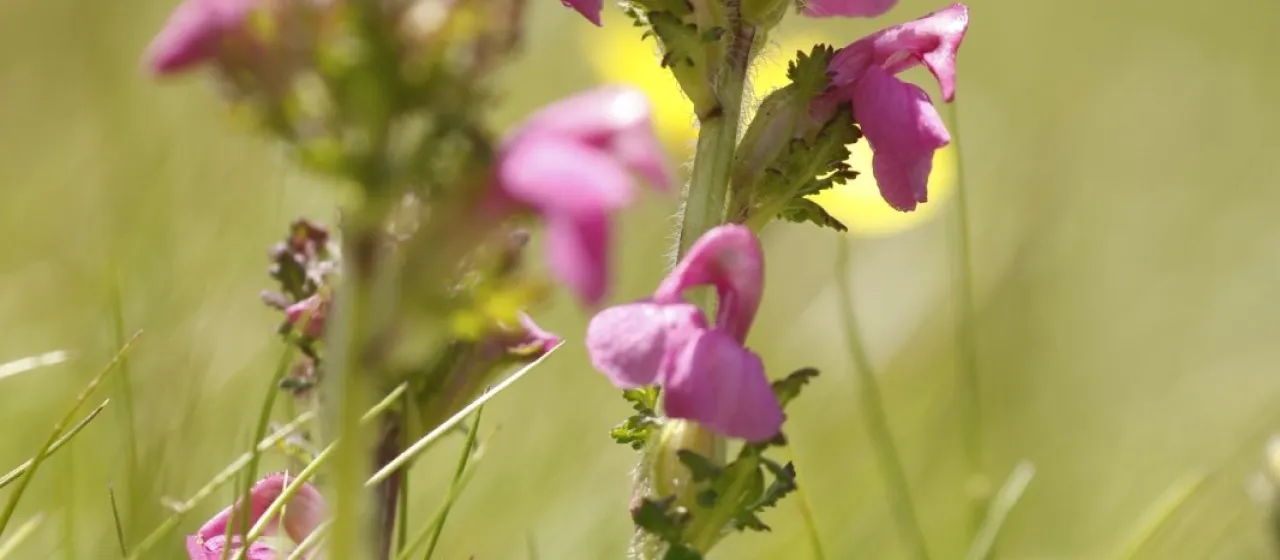
Pyrenean lousewort (Pedicularis pyrenaica) is a herbaceous perennial plant belonging to the Orobanchaceae family. As a hemiparasite, this species is biologically complex, possessing chlorophyll to conduct photosynthesis while simultaneously relying on haustorial connections to extract nutrients from the root systems of neighboring host plants.
The species originates from the high-altitude mountainous regions of Europe, specifically the Pyrenees and the Alps. In cultivation, it is regarded as a niche plant for rock gardens and botanical collections that can replicate the specific cool-climate, well-drained, and nutrient-balanced environment of alpine ecosystems.
Botanically, the plant is characterized by a dense rosette of basal leaves and a sturdy, erect stem topped by a prominent, crowded spike of zygomorphic flowers. The bloom color typically ranges from pink to deep magenta, which plays a crucial role in attracting alpine insect pollinators within its natural habitat.
Cultivation requirements are strict and demand a professional approach to soil management. The plant prefers lean, gritty, well-drained substrates. Growers must ensure the presence of suitable host grasses or herbs to support the lousewort’s development. Maintaining a cool root run is essential, and excessive fertilization should be strictly avoided to prevent disruption of the plant's natural parasitic growth strategy.
The primary use of Pyrenean lousewort is ornamental, specifically for specialized alpine horticulture. It is not grown as a commercial agricultural crop. Potential threats include fungal pathogens such as root rot, which are often triggered by improper drainage, and various insects that target the developing inflorescences. Success with this plant requires patience and a deep understanding of its symbiotic biological requirements.
Photo gallery