Pedicularis resupinata
Pedicularis resupinata
Description
Pedicularis resupinata, commonly known as the resupinate lousewort, is a perennial herbaceous plant belonging to the Orobanchaceae family. This species is biologically fascinating due to its hemiparasitic nature, meaning it relies on both photosynthesis and nutrient extraction from the root systems of surrounding host plants.
The native range of this plant is concentrated in East Asia, encompassing parts of Russia’s Far East, China, Japan, and the Korean Peninsula. It thrives in diverse wetland habitats, such as moist meadows, riparian zones, and marshlands. Its adaptation to these ecological niches makes it a sensitive indicator of stable water levels in the local environment.
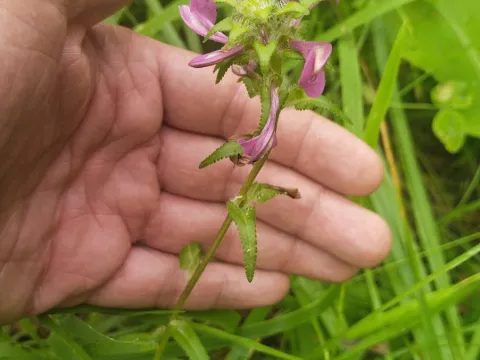
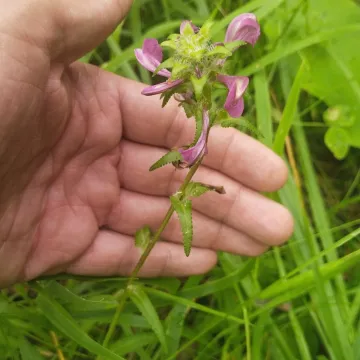
Botanically, the species is distinguished by its unique, upside-down appearing pinkish-purple flowers, which gave it the specific epithet resupinata. The plant typically reaches heights between 30 and 80 cm. Its root structure is specialized, featuring haustoria that penetrate the roots of host plants to facilitate the transfer of water and minerals, which is essential for its survival in competitive grassland environments.
Cultivation of Pedicularis resupinata requires precise soil management. It demands moist, nutrient-rich soil with a slightly acidic pH. In agricultural settings, it is crucial to maintain high soil moisture levels consistently, as drought stress can rapidly lead to plant failure. Furthermore, the presence of appropriate host species in the immediate vicinity is necessary for the plant to achieve vigorous growth.
Economically, the plant is primarily utilized in traditional medicine, where it is valued for its potential anti-inflammatory and sedative properties. While it is not a large-scale agricultural crop, it remains an important object for ethnobotanical studies and specialized medicinal herb production. Its role in maintaining wetland biodiversity is also recognized by ecological restoration practitioners.
- Requires consistent high-moisture soil conditions.
- Relies on root interaction with host plants.
- Susceptible to desiccation in poor-drainage soils.
Photo gallery