Description
Pedicularis rostratocapitata is a perennial herb belonging to the Orobanchaceae family. Unlike conventional agricultural crops, this species is a wild mountain plant that thrives in specialized ecological niches. It is not cultivated commercially but serves as a key subject for botanical and ecological research regarding high-altitude plant adaptations.
The plant originates from the European mountain ranges, particularly the Alps. It is native to alpine and subalpine meadows, where it grows in harsh conditions characterized by short growing seasons and cold temperatures. These environments dictate its growth cycles and specific reproductive strategies designed to maximize efficiency in nutrient-poor alpine soils.
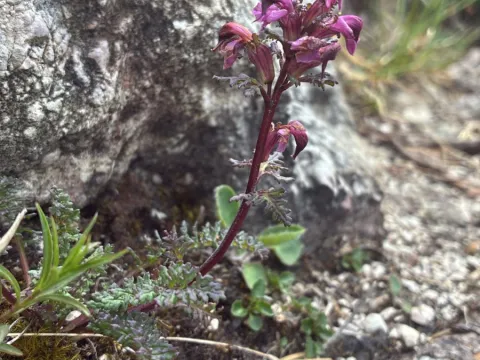
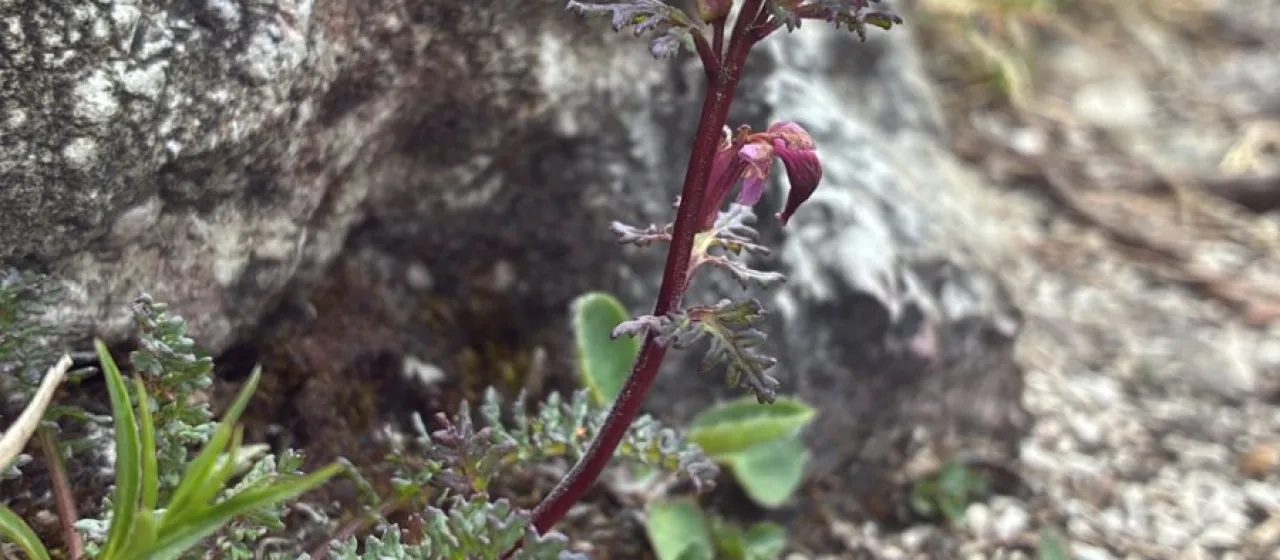
Botanically, this species is characterized by a compact, head-like inflorescence and distinctly shaped flowers that resemble a beak. Its leaves are usually finely divided, forming a rosette near the ground. This growth form helps the plant retain heat and protects it from the mechanical stress caused by high winds at high elevations.
A defining trait of Pedicularis rostratocapitata is its semi-parasitic lifestyle. It utilizes haustoria to attach itself to the roots of neighboring plant species to supplement its mineral and water intake. Because of this physiological dependency, it cannot be grown as a monoculture or a standard crop in agricultural settings, as it requires the presence of host species to complete its life cycle.
Due to its specialized requirements and lack of economic utility, there is no standardized agrotechnology for this species. Its natural population is managed by ecosystem dynamics rather than human intervention. There are no significant pests or diseases documented in a commercial context, as the species remains strictly restricted to its native high-mountain habitats.
Photo gallery