Description
Sibthorp's lousewort (Pedicularis sibthorpii) is a perennial herbaceous plant belonging to the Orobanchaceae family. This species is categorized as a hemiparasite, meaning it carries out photosynthesis but relies on the roots of host plants to supplement its nutrient intake through root haustoria. This evolutionary adaptation allows it to thrive in nutrient-poor high-altitude environments.
The distribution of this species is largely confined to the mountain regions of the Caucasus. It is typically found in alpine and subalpine meadows, thriving in locations where the growing season is short but moisture levels are sufficient. The plant has evolved to withstand low temperatures and high solar radiation typical of these high-elevation zones.
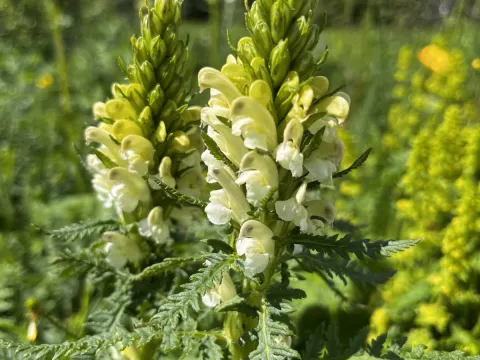
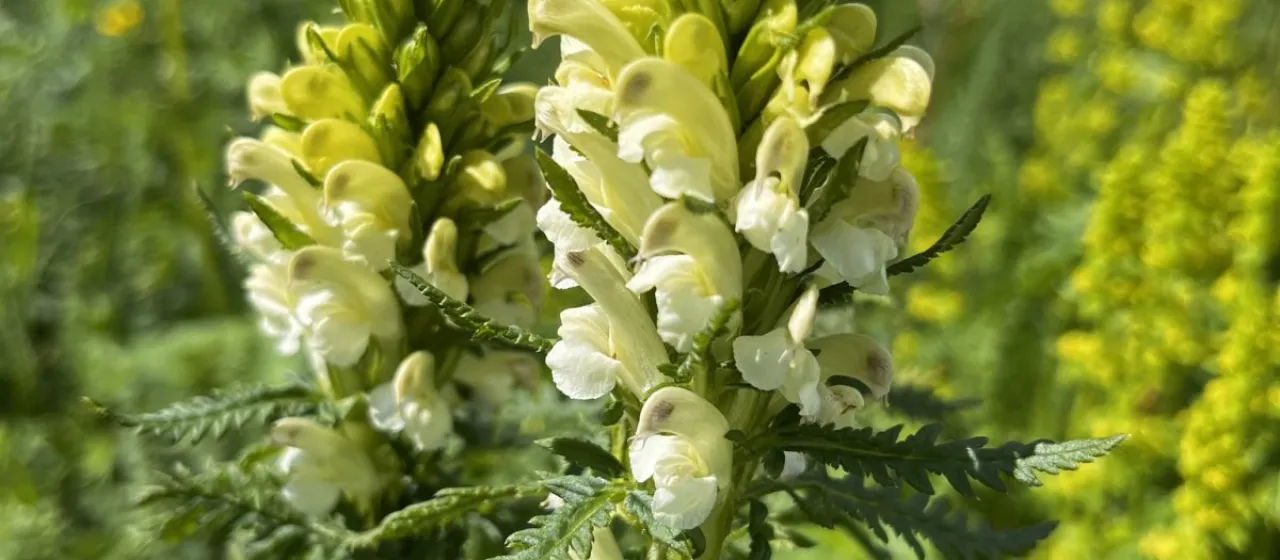
Botanically, it features a sturdy, erect stem with deeply divided, fern-like leaves. The inflorescence is a dense spike or raceme characterized by showy, hooded flowers that exhibit significant morphological diversity. These flowers are specifically structured to facilitate pollination by bees and other mountain insects, which are vital for the successful production of seeds.
Regarding ecological requirements, this species demands well-drained, humus-rich soil and cannot survive in waterlogged or overly compacted substrates. It prefers a cool, humid climate and is highly sensitive to heat stress. Its cultivation is not performed in agricultural settings, as the plant is notoriously difficult to maintain outside of its specialized native niche.
There is no commercial agricultural utility for Sibthorp's lousewort. It is primarily of interest to botanists and conservationists studying the biodiversity of the Caucasus mountain range. Regarding threats, the plant remains susceptible to common alpine fungal pathogens when conditions are excessively damp, although pests typically associated with traditional crops rarely impact this specialized wild species.
Photo gallery