Description
Lousewort (Pedicularis sylvatica) is a herbaceous plant belonging to the Orobanchaceae family. Unlike conventional crops, it is known for its hemiparasitic lifestyle. It attaches its root system to other plants to extract nutrients, which makes it a unique subject of study in botanical and ecological research.
The plant originates from Europe and is widely distributed across temperate regions. It typically thrives in damp meadows, heathlands, and forest clearings. It prefers acidic, nutrient-poor, and moisture-retentive soils. Because of these specific requirements, it is rarely found in intensive agricultural areas, appearing instead in uncultivated or semi-natural grasslands.
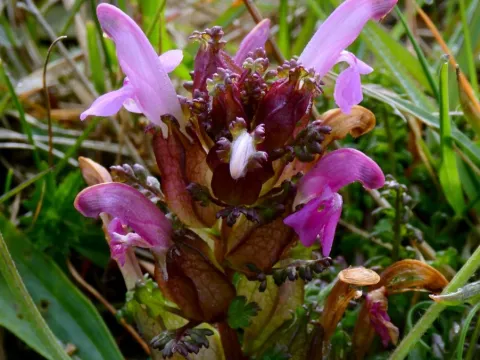
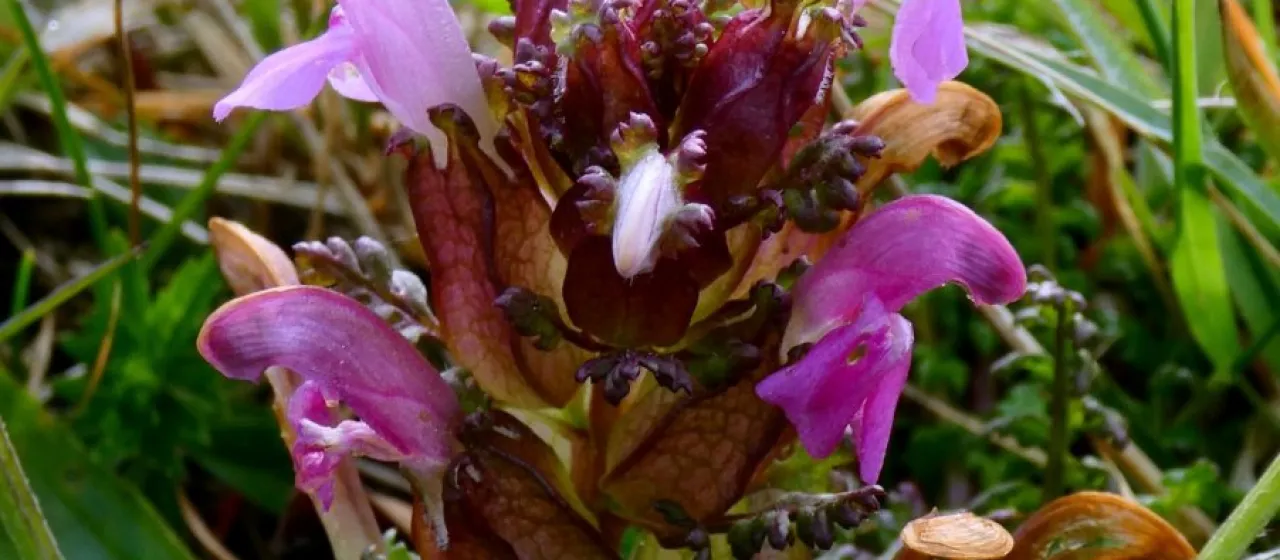
Botanically, Pedicularis sylvatica is characterized by a basal rosette of leaves and short, upright stems topped with pale pink or purple flowers. The flowers are arranged in spikes, exhibiting a distinct shape designed for insect pollination. The life cycle usually spans one or two years, depending on environmental conditions.
In terms of agricultural management, Lousewort is often considered an indicator species for low-fertility or acidified land. It is not cultivated commercially. Agronomically, managing Lousewort in pastures involves soil improvement practices, such as liming and drainage, which naturally suppress the growth of this hemiparasite by altering soil chemistry to favor competitive fodder grasses.
The economic impact of this plant is negligible in modern farming. However, it plays a vital role in ecological conservation as a component of biodiversity. Pests typically include specialized insects that feed on the foliage, and the plant can be prone to fungal infections if soil moisture remains excessive for long periods, hindering its reproductive success.
Photo gallery