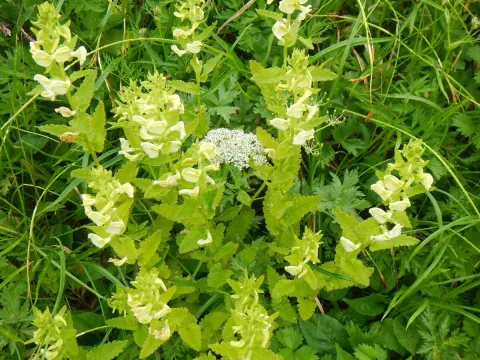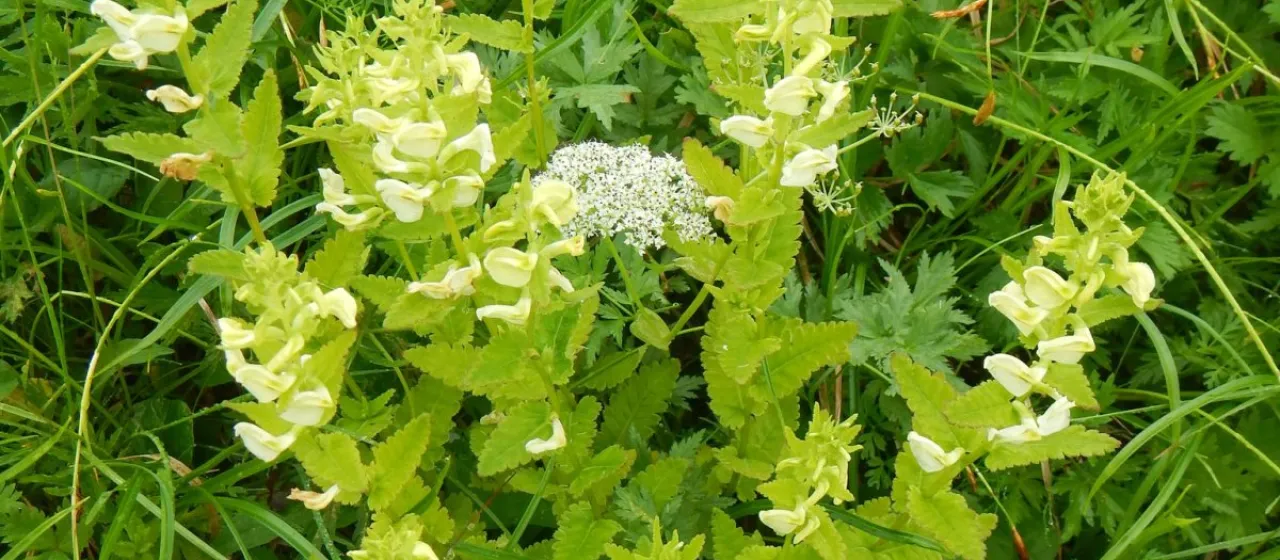
Description
Yezo lousewort (Pedicularis yezoensis) is a perennial herbaceous plant belonging to the Orobanchaceae family. This species is known for its hemiparasitic lifestyle, which allows it to thrive in specific habitats by extracting nutrients from the root systems of neighboring vegetation.
The native range of this plant is concentrated in the Far East, particularly across Japan and the Kuril Islands. It typically grows in moist meadows, forest clearings, and riparian zones where soil moisture remains consistently high throughout the growing season.
Botanically, Pedicularis yezoensis is distinguished by its intricate flower structure, which is adapted for pollination by specific insects. The plant possesses a specialized root system capable of forming haustoria, which attach to the roots of host plants to supplement its own photosynthesis with water and mineral intake.
Agronomically, this species requires high soil moisture levels and stable, cool climate conditions. It is not traditionally cultivated as a commodity crop, but rather studied for its role in biodiversity and ecosystem health. Cultivation techniques focus on mimicking natural moisture regimes and maintaining appropriate host plant densities.
The primary challenges in managing this species involve preventing excessive spread and controlling fungal infections such as powdery mildew. Agricultural use is currently limited to ecological restoration projects and botanical research aimed at understanding plant-parasite interactions in natural landscapes.
Photo gallery