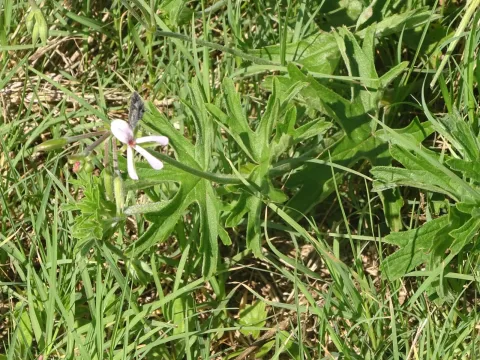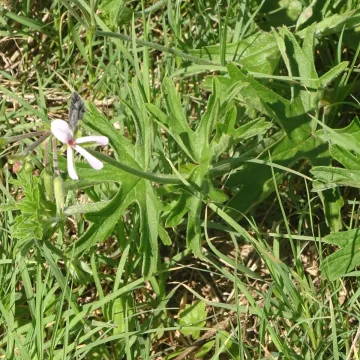
Pelargonium alchemilloides
Pelargonium alchemilloides
Description
Pelargonium alchemilloides is a perennial herbaceous plant belonging to the Geraniaceae family. This species is taxonomically distinct due to its foliage, which bears a striking resemblance to the leaves of the Alchemilla genus, a characteristic feature that distinguishes it from other common zonal pelargoniums.
Originating from South Africa, this species thrives in various habitats, ranging from open grasslands to rocky mountain slopes. Its natural distribution is widespread across the southern tip of the African continent, where it has evolved to survive in specific climatic conditions characterized by variable precipitation and long periods of sunlight.
Botanically, the plant is recognized by its basal rosettes of palmate leaves, often featuring a subtle zonal pattern on the leaf surface. The inflorescences consist of small, delicate flowers, typically appearing in shades of white, cream, or pale pink, which add a refined aesthetic to the overall structure of the plant.
Regarding cultivation requirements, the species favors well-draining, nutrient-rich soils with a neutral pH. Proper agrotechnical management involves regular but moderate watering, avoiding waterlogging, which is critical for preventing root rot. Full sunlight or partial shade is required for optimal vegetative growth and sustained flowering periods.
The primary horticultural use of Pelargonium alchemilloides is in landscape gardening and as a container plant. It is also valued by collectors for its unique foliage and hardiness. Common pests include aphids and spider mites, while disease management focuses primarily on preventing fungal issues, such as Botrytis, through proper spacing and air circulation.
Photo gallery