Pelargonium alternans
Pelargonium alternans
Description
Pelargonium alternans is a distinct species of succulent shrub belonging to the Geraniaceae family. It is highly valued for its architectural form, often resembling a miniature tree, which makes it a unique specimen for specialized plant collections and xerophytic garden designs.
The plant originates from the arid regions of Namibia and the Northern Cape province of South Africa. Adapted to rocky and desert-like environments, it has developed mechanisms to survive prolonged droughts, making it a highly specialized plant that requires precise conditions to thrive in cultivation.
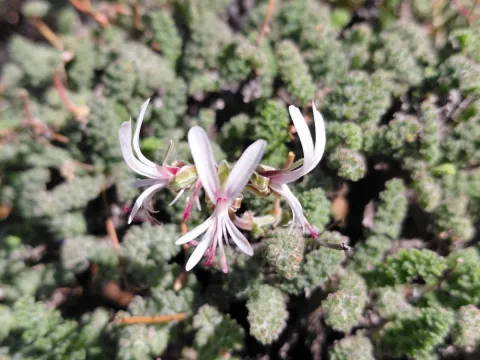
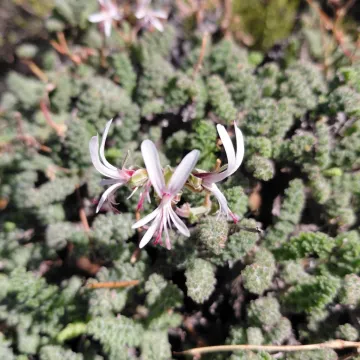
Botanically, it features succulent, knobby stems that exhibit slow growth and branch out to create a dense canopy. The leaves are typically feathery and finely divided, often shedding during the plant's natural dormant phase. The flowers are small, cream-colored, and marked with delicate reddish-pink veins, adding subtle beauty to its structure.
Cultivation requires a highly porous and inorganic soil mix, such as a blend of volcanic rock, sand, and minimal organic matter. Proper drainage is the single most important factor to prevent root rot. During the growing season, bright, direct sunlight is essential to maintain the plant's compactness and prevent etiolation.
In terms of plant health, P. alternans is susceptible to mealybugs and spider mites, which can hide in the crevices of the woody stems. Overwatering is the primary cause of decline, particularly during the winter months when the plant enters dormancy. Providing adequate airflow and dry conditions during this period is critical for preventing fungal diseases.
Photo gallery