Pelargonium auritum
Pelargonium auritum
Description
Pelargonium auritum is a distinct perennial plant species belonging to the Geraniaceae family. Unlike common garden pelargoniums, this species is geophytic, meaning it develops a specialized underground tuberous structure that serves as a storage organ for water and nutrients, allowing the plant to endure harsh environmental conditions.
The native habitat of Pelargonium auritum is concentrated in the Eastern Cape region of South Africa. The plant has evolved to thrive in environments with distinct seasonal shifts, necessitating a specific dormancy phase to survive the dry periods typical of its natural range.
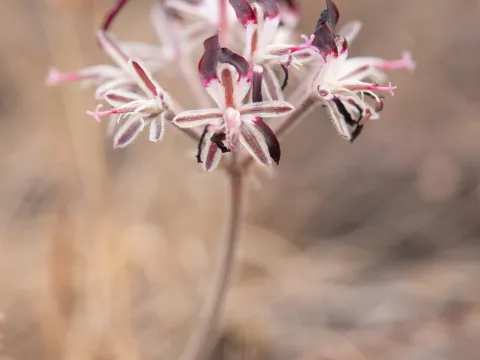
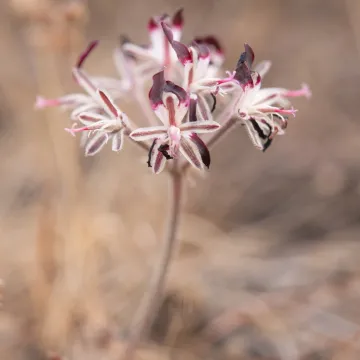
Botanically, the plant is recognized for its finely dissected, often pubescent foliage. The flowers are particularly notable for their deep, dark purple to near-black coloration, which distinguishes them from the more common bright-flowered varieties of the genus and makes them highly desirable for botanical collections.
Cultivation of this species requires strict adherence to agrotechnical practices, primarily focusing on soil drainage. The growing medium must be highly porous, consisting of inorganic components to prevent root suffocation. Overwatering is the most significant threat to the plant's health, particularly during the dormant season when foliage may be absent.
Economically and horticulturally, Pelargonium auritum is categorized as a specialty ornamental plant. Its value lies primarily within the niche market of rare plant enthusiasts and botanical research, where it is appreciated for its evolutionary adaptations and unique aesthetic characteristics.
- Requirement for well-draining, mineral-based soil
- High light intensity needed for healthy growth
- Mandatory dormancy period with minimal water
- Susceptibility to fungal pathogens in high-humidity environments
Photo gallery