Description
Pelargonium aridum is a distinct species within the Geraniaceae family, classified as a succulent-like xerophyte. This plant has evolved to survive in arid environments, developing specialized morphological structures that allow it to thrive where other species would perish.
The species is native to the arid regions of South Africa, particularly the Cape provinces. Its natural habitat consists of rocky outcrops and dry slopes, which has dictated the plant’s evolution toward extreme drought tolerance and resilience against intense thermal fluctuations.
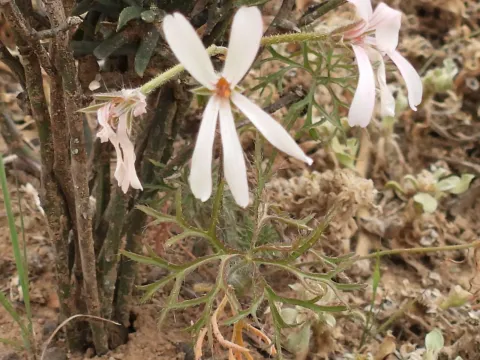
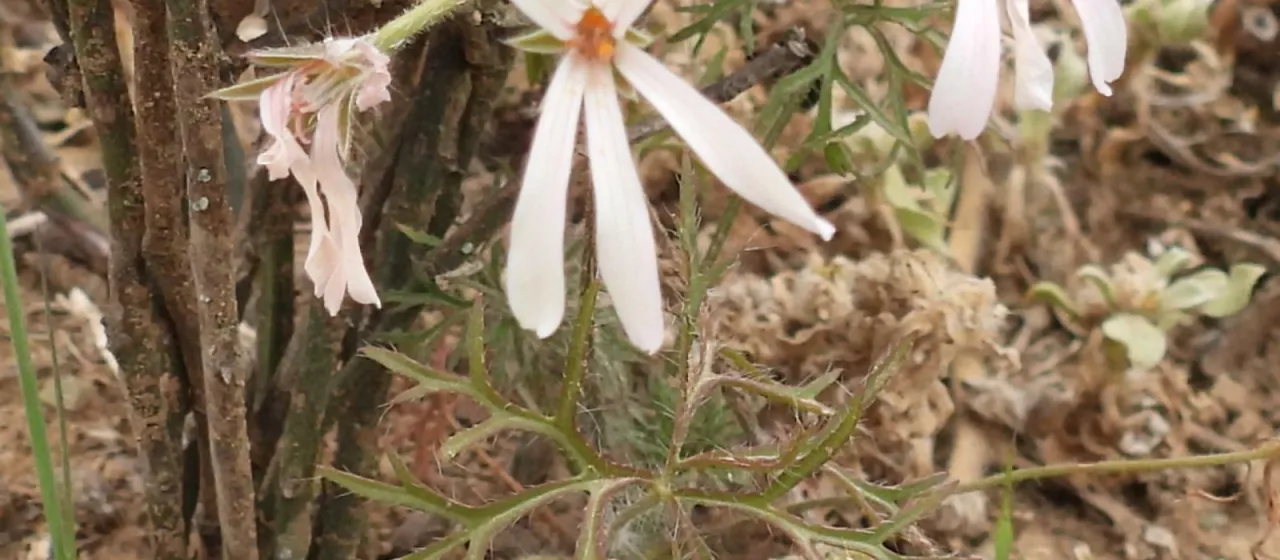
Botanically, Pelargonium aridum is characterized by a prominent caudex, which serves as a primary water storage organ. The leaves are typically deeply lobed and textured, often featuring fine hairs that minimize transpiration. During the blooming season, the plant produces delicate flowers that provide a stark contrast to its rugged appearance.
Cultivation of this species requires strict adherence to xerophytic standards. A fast-draining, mineral-based substrate is essential to prevent root rot, which is the most common cause of mortality in cultivation. High light intensity is mandatory to maintain the plant's compact form and prevent etiolation.
In terms of хозяйственное usage, Pelargonium aridum is highly prized among succulent enthusiasts and botanical garden curators. Its slow growth rate and unique architectural form make it an excellent candidate for specialized pot culture in greenhouses or as a specimen in xeriscaping projects where climatic conditions are strictly controlled.
- Substrate: Highly porous mix with sand, pumice, and minimal loam.
- Watering: Minimal, strictly seasonal; keep dry during the dormancy phase.
- Pest management: Watch for mealybugs in leaf axils.
- Sunlight: Direct morning sun is beneficial for healthy development.
Photo gallery