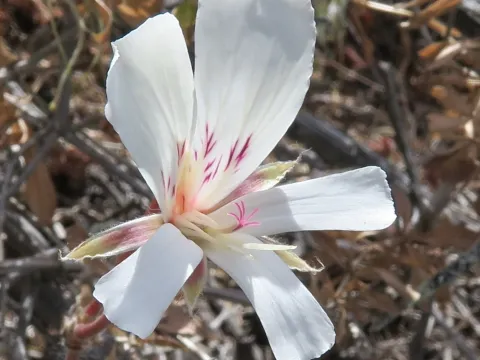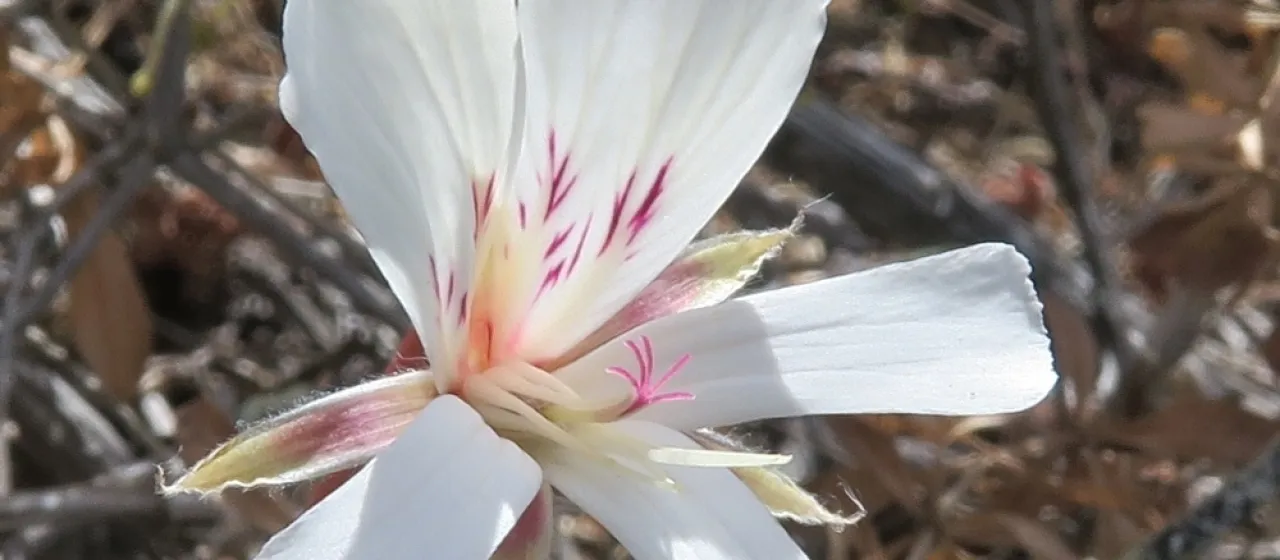
Description
Pelargonium articulatum is a herbaceous perennial plant belonging to the Geraniaceae family. The species is characterized by its distinctively jointed stems, which give it a unique architectural appearance. As a geophytic plant, it has evolved to store nutrients and water in its underground structures, allowing it to survive in challenging environments.
The origin of this species is traced back to the arid landscapes of Southern Africa. Its natural habitat consists of rocky terrains with excellent drainage. Consequently, the plant has adapted to a climate defined by distinct seasonal cycles, where the transition from wet to dry periods dictates its growth and dormancy phases.
Botanically, Pelargonium articulatum features compact growth and specialized leaves that help reduce water loss. The flowers are typically arranged in small inflorescences and exhibit the characteristic structure of the Pelargonium genus. These features make it a highly desirable specimen for those interested in xerophytic and succulent-like plant species.
The cultivation of this plant requires careful attention to environmental conditions. It demands high levels of natural light, ideally direct sunlight, and a growing medium that is extremely well-draining, such as a sandy or gravelly mix. Watering must be disciplined; the substrate should be allowed to dry out completely between watering sessions to prevent root rot.
- High light requirements for healthy development.
- Strict adherence to a dormant phase in winter.
- Use of porous, inorganic soil amendments.
- Avoidance of high-nitrogen fertilizers during growth.
- Regular monitoring for signs of stress or pest infestation.
Regarding agricultural and horticultural use, this species is primarily valued by collectors and enthusiasts of rare South African flora. Its value lies in its decorative utility within indoor or greenhouse settings. While not a large-scale agricultural crop, it remains an important genetic resource for the development of new cultivars in the hobbyist gardening sector.
Typical plant health issues involve fungal infections related to moisture management, primarily root and crown rots. In terms of pest pressure, the plant is susceptible to spider mites and mealybugs, which thrive in low-humidity environments. Maintaining proper air circulation and monitoring the leaf undersides are essential preventive measures against these common plant pests.
Photo gallery