Hybrid Chilean and Velvet Mesquite
Prosopis chilensis x Prosopis velutina
Description
The hybrid Prosopis chilensis x Prosopis velutina is a significant agricultural tree species belonging to the Fabaceae family. This hybrid combines the genetic resilience of the Chilean Mesquite and the Velvet Mesquite, resulting in a plant highly adapted to arid and semi-arid environments where water availability is a major limiting factor for most crops.
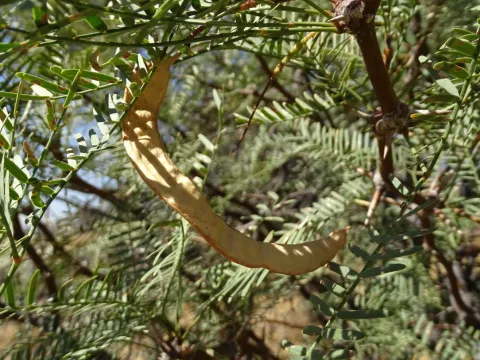
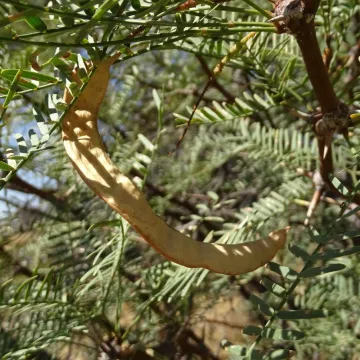
Botanically, this species is characterized by a deep taproot system, which allows it to access groundwater, and feathery, compound leaves that effectively reduce transpiration. The plant produces nutrient-rich pods that serve as a high-quality fodder for livestock. As a legume, it performs essential nitrogen fixation, which contributes significantly to the enrichment of soil nutrients in poor substrates.
Climatic requirements focus on high solar radiation and low humidity. It thrives in regions with hot summers and mild winters. Regarding soil preferences, it is highly versatile, showing excellent tolerance to saline, alkaline, and sandy soils. It is critical to ensure proper field drainage, as the species is susceptible to root diseases if the soil remains waterlogged for extended periods.
Agricultural and commercial use of this hybrid is vast. Beyond providing valuable fodder for cattle and goats, the timber is prized for its high density and durability, making it an excellent material for high-end furniture and flooring. Furthermore, it is a key species for reforestation projects aimed at combating desertification and protecting soil from wind erosion.
Management of typical pests, such as seed-feeding weevils, requires integrated pest management strategies, including the prompt harvesting of pods. While the tree is robust, regular pruning is recommended to maintain optimal structure and air circulation within the canopy. By maintaining healthy density levels, farmers can mitigate the impact of local pathogens and ensure long-term productivity of the plantation.
Photo gallery