
Prosopis ruscifolia
Prosopis ruscifolia Griseb.
Description
Prosopis ruscifolia, commonly referred to as Vinal, is a species of tree in the Fabaceae family. This resilient legume is recognized for its ability to dominate arid landscapes, particularly in the Chaco region of South America, where it forms dense, thorny thickets that define the local vegetation structure.
The plant originates from the subtropical plains of Argentina, Paraguay, and Bolivia. Its range of cultivation is not traditional in the sense of crop management; rather, it occupies large tracts of land where it is either managed for its timber resources or controlled as a significant invasive weed that competes with cattle grazing pastures.
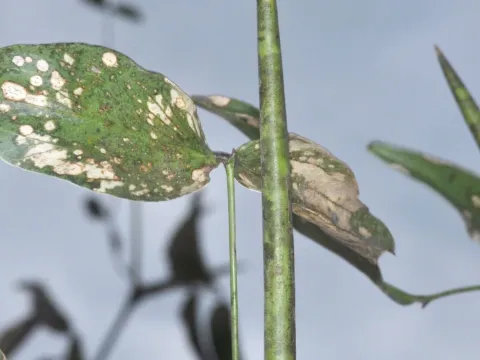
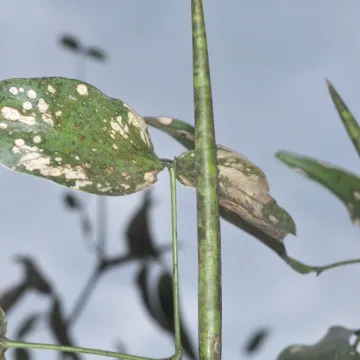
Botanically, it is characterized by its heavily armed branches featuring long, sharp spines, which provide defense against herbivores. The foliage consists of small, pinnate leaves designed to withstand high heat and intense sunlight, while its fruit is a fleshy pod containing seeds that are easily transported by livestock, aiding the plant's spread.
Regarding cultivation and soil requirements, this species thrives in challenging environments, including saline and alkaline soils where most crops would fail. Agronomic management involves intensive clearing techniques, as the plant can regenerate from root crowns, making traditional cutting methods insufficient without secondary chemical control or biomass management.
The economic utility of the species is multifaceted. Its timber is highly prized for its durability, resistance to rot, and attractive grain, making it valuable for artisanal carpentry. Additionally, it serves as an excellent source of nectar for apiculture, producing a distinct honey, and its pods are sometimes harvested as a supplementary forage source in controlled silvopastoral systems.
- Exceptional tolerance to salinity and drought
- High-quality hardwood production
- Significant nectar source for regional honey
- Aggressive colonization of overgrazed land
Photo gallery