Senegalia nigrescens
Senegalia nigrescens
Description
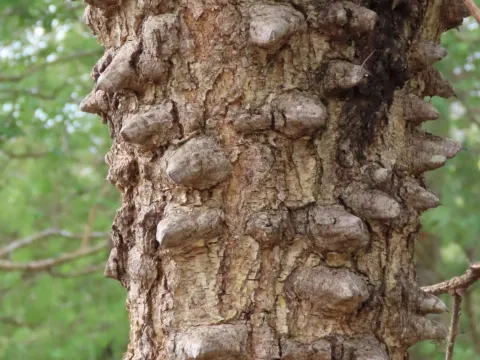
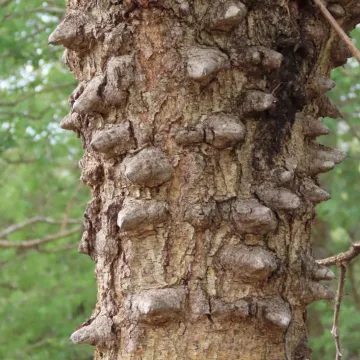
Senegalia nigrescens, commonly known as the knob-thorn, is a deciduous tree belonging to the Fabaceae family. It is a highly resilient species, well-adapted to the harsh environments of the African savannahs. The tree is characterized by its prominent, knob-like thorns on the trunk, which serve as a natural defense mechanism against herbivores.
Originating from Southern Africa, this species thrives in tropical and subtropical regions with distinct wet and dry seasons. It is widely recognized for its ecological importance in maintaining soil stability and supporting biodiversity. In modern agroforestry, it is often utilized to restore degraded lands and improve soil nitrogen levels through its symbiotic root nodules.
The botanical structure of Senegalia nigrescens includes compound, pinnate leaves and small, creamy-yellow flowers arranged in spike-like racemes. The fruits are flat, woody pods that turn dark brown or black as they mature, giving the tree its specific Latin name. It is a slow-growing species, but its wood is prized for its extreme density and durability.
Agricultural requirements for successful cultivation focus on well-drained, sandy-loam soils and full sun exposure. The tree is exceptionally drought-tolerant once established, requiring little to no supplemental irrigation. Growers often pre-treat seeds via scarification or soaking in hot water to enhance germination rates before planting in controlled nurseries.
Economically, the knob-thorn is highly valued for its timber, which is resistant to decay and termite attack, making it suitable for high-quality furniture and construction. Beyond timber, the tree provides vital forage for wild ungulates and is an excellent source of nectar for honey production. Its ability to survive with minimal input makes it a sustainable choice for afforestation projects.
Common diseases and pests include:
- Defoliating insects that can cause significant leaf loss in young trees.
- Fungal infections in the root system triggered by waterlogged soil conditions.
- Boring insects that target the wood of mature or weakened trees.
Photo gallery