Senegalia polyphylla
Senegalia polyphylla
Description
Senegalia polyphylla is a prominent member of the Fabaceae (legume) family, historically associated with the genus Acacia. This tropical tree species is recognized for its robust growth habit and ecological significance within the biodiversity-rich landscapes of South America, serving as a staple plant in savanna-like environments and tropical dry forests.
The native range of this species is centered in South American countries, including Brazil, Bolivia, and Paraguay. It thrives in regions characterized by distinct dry and wet seasons. Its distribution is largely dictated by the availability of well-draining soils and consistent exposure to high solar radiation, which the plant utilizes for efficient photosynthetic activity.
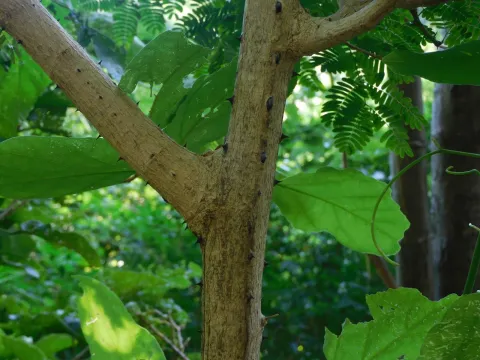
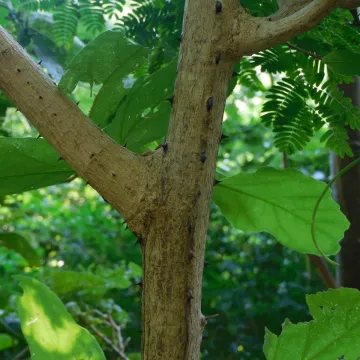
Botanically, the plant is characterized by its fine, bipinnate foliage, which allows for adaptive moisture regulation. The tree develops a strong, deep-reaching root system that provides stability and access to deep-soil nutrients. Its flowers typically form dense, spherical, or cylindrical clusters, eventually yielding pod-type fruits that are characteristic of the Mimoseae subfamily.
Agricultural success with this species depends on maintaining optimal soil drainage and providing adequate space for root expansion. As a nitrogen-fixing species, it has a reduced dependency on chemical fertilizers, as it maintains a symbiotic relationship with rhizobia bacteria. The tree is intolerant to frost and thrives best in consistent, warm temperatures throughout the year.
In terms of economic utility, the tree is highly valued in local agroforestry systems. Its wood is used for timber, construction, and the production of high-quality charcoal. Furthermore, the species plays a crucial role in ecological restoration, helping to improve soil health through nitrogen fixation and preventing erosion in degraded landscapes. Managing pests usually involves ensuring proper ventilation and avoiding waterlogging of the root zone.
Regarding health and protection, the plant is generally hardy, though it may be susceptible to wood-boring insects and certain pathogenic fungi if stressed by prolonged drought or nutrient deficiency. Effective management involves monitoring plant health and ensuring minimal standing water near the base to maintain the structural integrity and longevity of the trees.
Photo gallery