Senegalia westiana
Senegalia westiana
Description
Senegalia westiana is a perennial woody plant belonging to the Fabaceae (legume) family. Formerly associated with the Acacia genus, it is now correctly identified within the Senegalia genus. This species is highly valued in botanical research and specialized tropical horticulture for its resilience and unique growth patterns in challenging environmental conditions.
The native range of Senegalia westiana is primarily located in the tropical regions of South America. It is typically found in savanna-like ecosystems and open forests where competition for resources is high. The plant is well-adapted to high-temperature environments and can endure extended dry periods, which makes it a resilient candidate for reforestation projects in tropical climates.
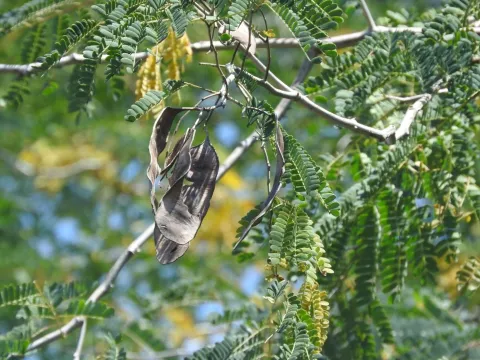
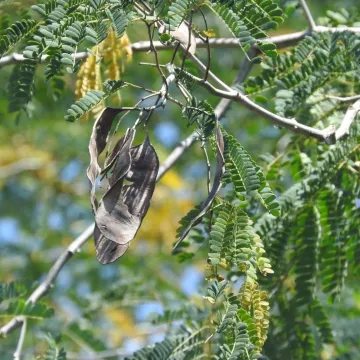
Botanically, the species is characterized by bipinnate leaves and globular flower clusters that are common among the Senegalia group. The plant often exhibits protective thorns on its stems, which serve as an effective deterrent against herbivores. Its physiological structure allows for efficient photosynthesis even under high solar radiation levels, typical of its native habitat.
Agricultural requirements for Senegalia westiana focus on well-draining soil types, such as sandy loams, which prevent water stagnation and root rot. As a legume, it benefits from minimal fertilizer application, as it establishes symbiotic relationships with nitrogen-fixing bacteria. Proper spacing is crucial to ensure adequate airflow and light penetration, which are essential for its vigorous growth.
The plant has several key applications in modern agriculture and forestry:
- Decorative utility in tropical gardens and parks.
- Scientific analysis of nitrogen fixation mechanisms in woody legumes.
- Provision of habitat and food sources for local pollinators.
- Soil stabilization and anti-erosion measures in arid environments.
Regarding health management, the plant can be susceptible to fungal diseases such as leaf spot if air humidity remains consistently high without adequate ventilation. Pests, including scale insects and borers, may occasionally affect its health. Effective management involves regular monitoring, prompt pruning of affected branches, and the use of targeted biological control agents where necessary.
Photo gallery