Garden sorrel
Rumex acetosa L.
Description
Garden sorrel (Latin Rumex acetosa L.) is a perennial herbaceous plant belonging to the Polygonaceae family. It is widely cultivated for its edible, tangy-flavored leaves, which are rich in oxalic acid, vitamins A and C, and essential minerals, making it a staple green crop in many cuisines worldwide.
The plant originates from Europe and Northern Asia. Due to its adaptability to temperate climates, it has become a popular crop across diverse geographic regions. Its ability to regrow repeatedly after harvesting makes it a highly efficient plant for both small-scale gardens and commercial agricultural production.
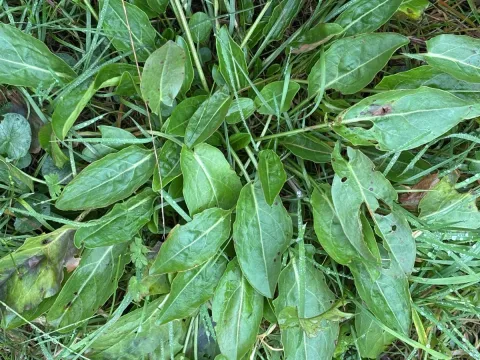
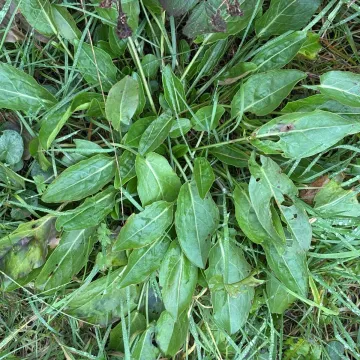
Botanically, it features a sturdy root system and a basal rosette of arrow-shaped leaves. As the season progresses, it produces tall, upright flowering stems. From an agronomic perspective, managing the transition between vegetative growth and flowering is critical to maintaining the quality and tenderness of the harvested leaves.
For successful cultivation, Rumex acetosa requires deep, moist, and fertile soils with a slightly acidic pH. While it is hardy and capable of surviving harsh winters, it responds exceptionally well to consistent moisture and nitrogen-rich fertilizers, which promote the rapid development of tender foliage.
Effective management requires awareness of common biological threats that can diminish crop yield:
- Sorrel leaf beetle — a primary insect pest that feeds on leaves, requiring timely inspection.
- Rust disease — a fungal pathogen causing pustules on leaves, often occurring in damp conditions.
- Downy mildew — can affect plant health during periods of high humidity and poor ventilation.
Photo gallery