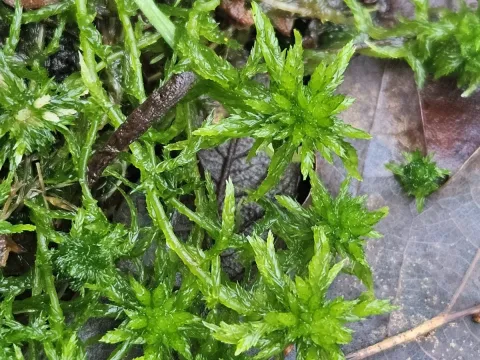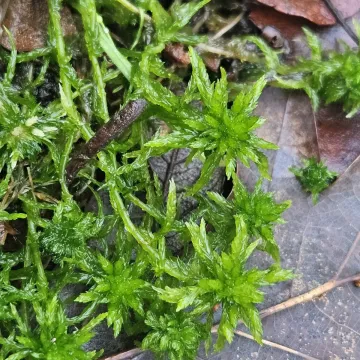
Sphagnum denticulatum
Sphagnum denticulatum
Description
Sphagnum denticulatum is a notable species within the Sphagnaceae family, increasingly recognized for its functional role in professional plant cultivation. As a specialized agricultural crop, it is primarily harvested and managed for the production of high-quality organic substrates used in the greenhouse industry.
The origin of this species is tied to boreal and temperate regions of the Northern Hemisphere. It thrives in wetlands and bogs where hydrological conditions are stable. Its cultivation is concentrated in specific environments that mimic natural peatland ecosystems, ensuring constant saturation and optimal acidity levels for growth.
Botanically, this species is distinguished by its specific denticulate leaf margins and a highly efficient cell structure. It lacks true roots, relying on its hyaline cells to conduct water and dissolved nutrients through the plant body. This structural adaptation allows it to survive in nutrient-poor yet highly saturated acidic environments.
Cultivation requirements are strict: the plants demand a consistent water table, high humidity, and a low pH range. A proper agrotechnical approach involves minimizing mineral inputs, as the species is highly sensitive to salt accumulation. Growers must maintain a clean water supply to prevent the growth of competitive invasive flora.
The primary economic use of Sphagnum denticulatum involves its incorporation into potting media for orchids, carnivorous plants, and exotic ornamentals. Beyond substrate preparation, it serves as an excellent natural packaging material, thanks to its innate bactericidal and fungicidal properties, which protect plant roots during distribution and storage.
- Superior moisture retention
- Natural pH buffering
- Inhibits fungal growth
- Sustainable organic source
Photo gallery