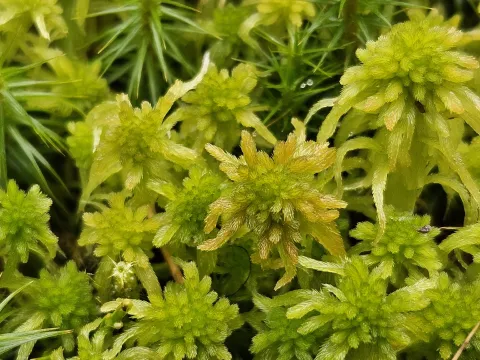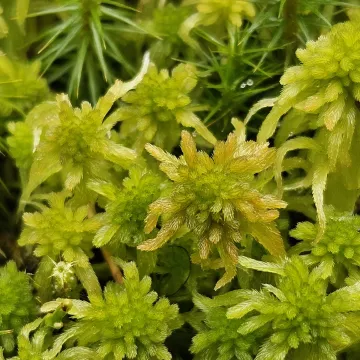
Flat-topped bogmoss
Sphagnum fallax
Description
Flat-topped bogmoss (Sphagnum fallax) is a perennial bryophyte belonging to the family Sphagnaceae. It is widely recognized as one of the most common and ecologically significant moss species, essential for the development and maintenance of peat bog ecosystems globally.
The origin of this species is linked to the temperate and subarctic zones of the Northern Hemisphere. It thrives in acidic wetlands, including bogs, fens, and damp forest floors. Its natural distribution is extensive, reflecting its adaptability to cool, moist environments with low nutrient availability.
Botanically, it is characterized by its yellowish-green appearance and complex branching system. The leaves contain specialized hyaline cells capable of storing vast quantities of water, which is the defining feature of its biological success and functional utility in various agricultural sectors.
Cultivation requirements for this species focus on maintaining a consistently high moisture level and an acidic soil environment (pH 3.5–4.5). It is propagated through vegetative fragmentation, where small sections of the stems are spread over a damp, acidic substrate to encourage rapid colonization.
- Superior moisture retention capacity
- Natural antimicrobial and antifungal properties
- Acidification of the growth medium
- Sustainability in peat production
In agriculture, its primary uses involve creating professional growing media for orchids, carnivorous plants, and general horticultural seed starting. While remarkably resilient against most pests, it is highly sensitive to environmental pollution and drought, requiring constant monitoring of water quality to ensure optimal development.
Photo gallery