Brown peat moss
Sphagnum fuscum
Description
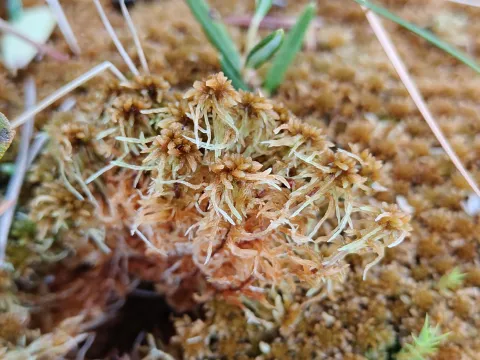
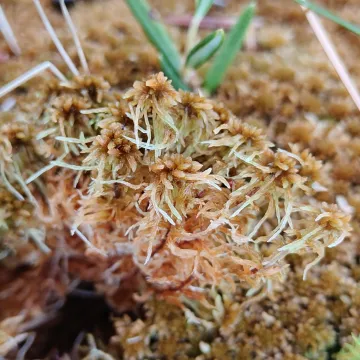
Brown peat moss (Sphagnum fuscum) is a significant species of moss belonging to the Sphagnaceae family. It is recognized primarily for its role as a major peat-forming organism in northern bogs. This species is characterized by its compact, dense growth habit and a distinct brownish-red coloration, which differentiates it from other common sphagnum varieties.
The natural range of this culture extends across the circumboreal regions of the Northern Hemisphere, including extensive peatlands in North America and Eurasia. It thrives in oligotrophic environments—areas with low nutrient availability and high soil acidity. Its natural habitat is typically the raised, drier surfaces of bogs, where it forms expansive hummocks.
Botanically, Sphagnum fuscum consists of slender stems with clusters of branches at the apex, known as capitula. The plant possesses specialized hyaline cells capable of absorbing and storing large volumes of water, which is essential for survival in its specific niche. The plant grows upwards from the tip while the lower, older sections slowly decay into peat.
Agricultural requirements for cultivating this moss focus on maintaining an acidic environment, ideally between pH 3.0 and 4.5. High atmospheric humidity is non-negotiable for successful growth. Effective cultivation requires a controlled water table management system, preventing both complete desiccation and excessive flooding that could stifle the oxygen exchange needed by the moss surface.
The economic value of this culture lies in its wide use as a high-quality horticultural substrate. Due to its natural antiseptic properties, Sphagnum fuscum is highly effective in preventing root rot in nursery plants. It serves as an essential component for potting mixes, orchid cultivation, and as a medium for rooting cuttings in both greenhouse and commercial agricultural settings.
Pests and diseases are rarely problematic in natural habitats but can affect commercial production. Overgrowth by vascular plants is the primary risk, as these compete for light and space. Additionally, stagnation of water can lead to anaerobic conditions that promote fungal growth and decay, necessitating consistent care and proper site management to ensure the health of the moss colony.
Photo gallery