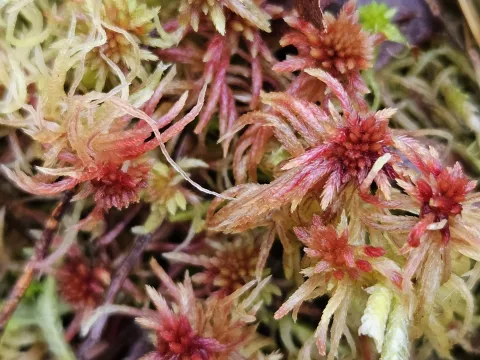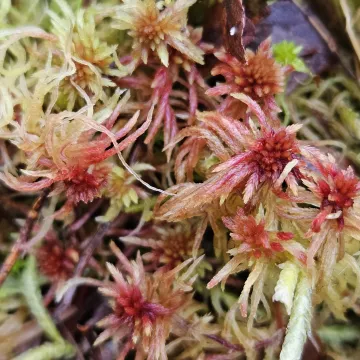
Sphagnum russowii
Sphagnum russowii
Description
Sphagnum russowii is a species of moss belonging to the family Sphagnaceae. In agronomy, this plant is recognized as a primary constituent of peat bogs and a vital resource for producing high-quality organic substrates. It forms dense carpets that significantly influence the water-holding capacity of the soil environment.
The native range of this species spans the boreal and temperate zones of the Northern Hemisphere, covering vast areas in Eurasia and North America. It predominantly inhabits wetlands, acidic fens, and swampy forest areas. The plant thrives in environments characterized by stagnant or slow-moving water and low nutrient availability.
Botanically, it consists of a slender stem with clusters of spreading branches, covered in dense, light-colored leaves. Its primary feature is the presence of large, empty hyaline cells, which facilitate the absorption and storage of massive amounts of water. This structural adaptation allows the moss to survive prolonged drought periods in nature and makes it an ideal medium for horticultural moisture management.
Cultivation requirements involve maintaining a strictly acidic environment (pH 3.0–4.5) and ensuring consistent saturation of the substrate. Exposure to high concentrations of minerals, fertilizers, or lime should be avoided, as these substances can alter the chemical composition of the bog and kill the moss colonies. Moderate light intensity is preferred to prevent the desiccation of the upper growth layer.
The main agricultural and horticultural applications include:
- Preparation of specialized soil mixes for moisture-sensitive plants.
- Mulching applications to reduce soil evaporation in greenhouses.
- Use as a biological filter or substrate for plant propagation.
- Manufacturing of decorative organic media for indoor gardening.
The species possesses natural antiseptic properties, which typically protect it from common agricultural pests and microbial decay. Diseases are rarely a problem, provided the water level remains stable. The greatest threat to productivity is the encroachment of nutrient-demanding vegetation, which can occur if the acidity or moisture levels drop below the threshold required for the survival of the moss.
Photo gallery