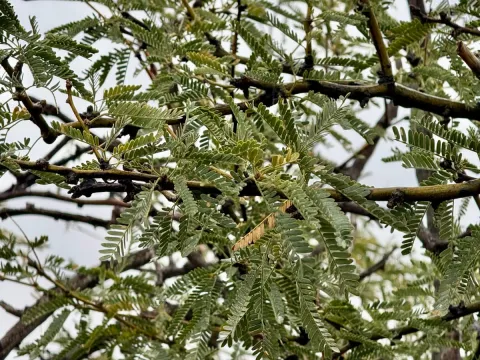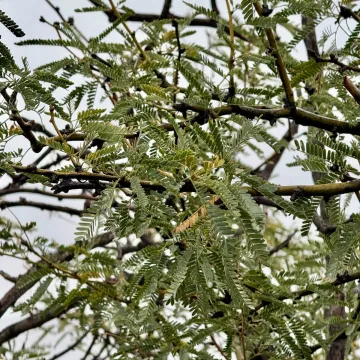
Velvet mesquite
Prosopis velutina Wooton
Description
Velvet mesquite (Prosopis velutina) is a significant leguminous tree species belonging to the Fabaceae family. Originally native to the arid regions of the Southwestern United States and Mexico, this species has gained recognition as a valuable agricultural crop for arid and semi-arid environments where water availability is a limiting factor for traditional farming.
The plant is biologically characterized by its dense, velvety pubescence on its leaves, which aids in moisture retention. This drought-tolerant crop is capable of developing an extensive root system, allowing it to tap into deep groundwater sources. As a legume, it contributes to soil fertility by fixing atmospheric nitrogen, making it an excellent candidate for regenerative agricultural systems.
Cultivation requirements focus primarily on well-drained, sandy, or loamy soils. While velvet mesquite is highly resistant to heat and drought, optimal growth is achieved in climates with high solar radiation and low relative humidity. Agricultural management involves minimal irrigation during the establishment phase, after which the trees are largely self-sustaining in their native range.
The economic value of velvet mesquite is diverse, ranging from timber production to animal husbandry. The pods are highly nutritious, containing significant levels of protein and carbohydrates, making them an excellent natural supplement for livestock. The wood itself is prized for its high density, durability, and rich color, often used in high-quality carpentry and culinary smoking.
- Production of high-quality firewood and charcoal.
- Nutritional source for livestock via high-protein pods.
- Utilization as a nectar source for professional apiculture.
- Soil erosion control and land rehabilitation in degraded areas.
Pest management primarily involves monitoring for seed-feeding insects, such as bruchid beetles, which can impact potential yield. Diseases are relatively rare if the trees are not subjected to chronic waterlogging. Proper canopy management and timely harvest of pods are the cornerstones of successful commercial production of this resilient desert crop.
Photo gallery