Willow gentian
Gentiana asclepiadea L.
Description
The willow gentian (Gentiana asclepiadea L.) is a herbaceous perennial plant belonging to the Gentianaceae family. Known for its arching stems that carry clusters of trumpet-shaped flowers, this species is highly valued in horticulture for its resilience and striking aesthetic appeal. It is commonly associated with woodland settings and alpine environments where moisture levels are consistently high.
Originally native to the mountain regions of Central and Southern Europe, the willow gentian thrives in habitats such as grassy slopes, mountain forests, and damp meadows. Its wide distribution in nature has facilitated its spread into garden cultivation across various temperate zones, where it is favored for its late-season blooming period that provides color when many other perennials have faded.
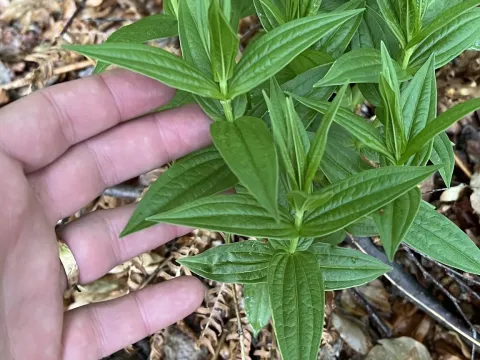
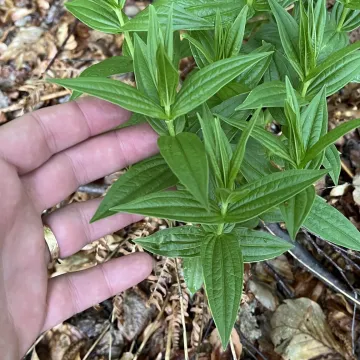
The plant is characterized by its lanceolate, prominently veined leaves that resemble those of the willow tree, giving the species its common name. The flowers are typically a rich, deep blue, occasionally with interior spotting or white streaks. Growing up to 60 cm in height, the plant develops a sturdy rootstock that allows it to persist for many years if provided with appropriate site conditions.
For successful agricultural and garden management, the willow gentian requires moist, humus-rich soil and a sheltered, semi-shaded position. It does not tolerate prolonged drought or full, scorching sun, which can cause foliage desiccation. Proper soil drainage is essential, as the roots are sensitive to waterlogging. Regular mulching is recommended to maintain a cool and moist root zone throughout the growing season.
While primarily cultivated as an ornamental, the species is also recognized in traditional medicine for its bitter compounds. Growers should remain vigilant against several common challenges to ensure crop health:
- Slugs and snails, which can cause significant damage to young foliage.
- Fungal diseases, specifically leaf spots, triggered by high humidity and poor airflow.
- Root rot caused by stagnant water in heavy or non-drained soil.
- Aphid infestations during the vigorous vegetative growth phase.
Photo gallery