

Description
Cucumber mosaic virus (CMV), a member of the genus Cucumovirus within the Bromoviridae family, is a highly destructive plant pathogen. It is recognized as one of the most significant viruses in agriculture due to its exceptionally broad host range, infecting over 1,200 species of monocotyledonous and dicotyledonous plants.
The virus affects a diverse range of crops, including cucurbits like cucumbers and melons, solanaceous crops like tomatoes and peppers, and various ornamental plants. Its ability to persist in perennial weed hosts and survive in soil debris makes it a persistent challenge for both open-field and greenhouse operations.
Typical symptoms of infection include a mosaic pattern of light and dark green areas on the leaves, frequently accompanied by stunting of the plant, leaf distortion, and vein clearing. In severe cases, the infected plants show significantly reduced growth, internode shortening, and fruit abnormalities such as color mottling and stunted development.
The transmission of the virus is predominantly facilitated by insect vectors, primarily aphids, which transmit the virus in a non-persistent, stylet-borne manner. This allows the virus to be spread rapidly within a crop even by transient, non-colonizing aphid species. Mechanical transmission through infected tools or plant-to-plant contact also plays a significant role in its spread.
Managing Cucumber mosaic virus requires an integrated pest management (IPM) approach, emphasizing prevention since curative treatments are unavailable:
- Selection of resistant or tolerant cultivars as the primary defense strategy;
- Rigorous weed management to eliminate alternative reservoirs of the virus;
- Use of reflective mulches or oils to deter aphid colonization and feeding;
- Strict hygiene protocols for tools and greenhouse equipment to prevent mechanical transmission.
Контент-граф
Connections · Cucumber mosaic virus
Most often together:
Marketplace
Products · 712
All 712
Cucumber 609
Zucchini 40
Tulips 21
Pepper 15
Cabbage 6
Tomato 5
Eggplant 3
Lettuce 3
Spinach 3
Rootstocks for Cucurbit Crops 2
Pumpkin 2
Celery 1


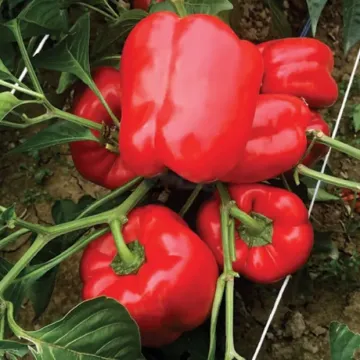


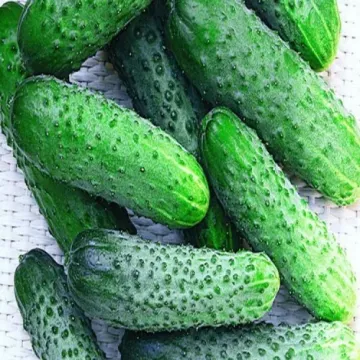


Nadeshda F1 / Nadeshda Mix F1
Seminis Vegetable Seeds
Cucumber
0
0
·
1.8K
12 offers
19.2 €за 1000 шт
Купить


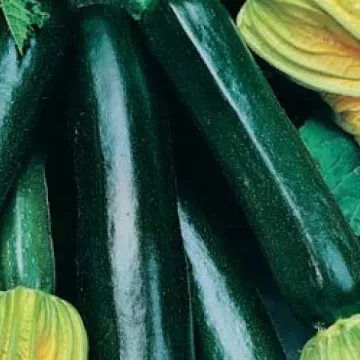

Potomac F1 / Potomac Mix F1
Seminis Vegetable Seeds
Cucumber
1
0
·
1.4K
7 offers
4.8 €за 1000 шт
Купить












Community
Discussion
No discussions yet — be the first.