Targa Super
Nissan Chemical Corporation, LLC
Herbicides, Desiccants
1
0
·
3.9K
16 offers
6.3 €за 1 л
Купить

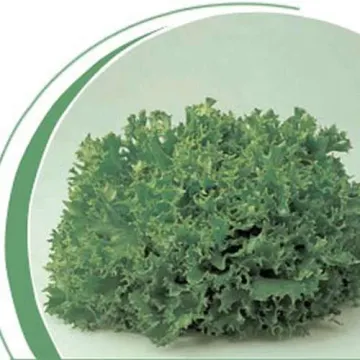
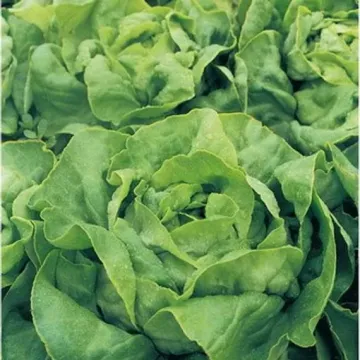
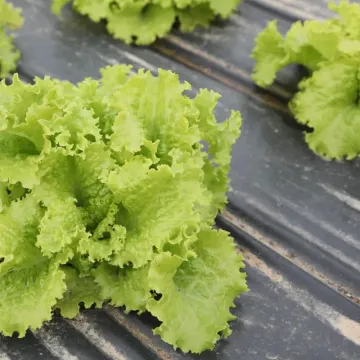
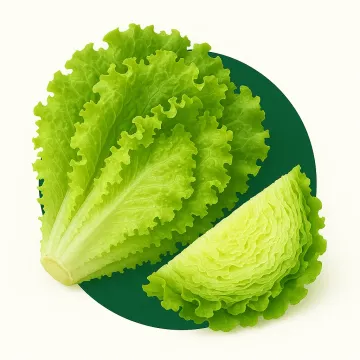
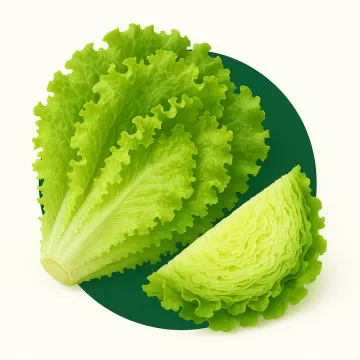
Lettuce (Lactuca sativa L.) is an annual herbaceous plant belonging to the Asteraceae family. It is one of the most widely cultivated leafy vegetables globally, prized by growers for its rapid maturation cycle and high nutritional value in fresh produce markets.
The species originated in the Mediterranean region and has since spread to virtually every agricultural region worldwide. Modern cultivation encompasses both open-field and greenhouse environments, utilizing a vast array of varieties including iceberg, romaine, leaf, and butterhead types adapted to local conditions.
Botanically, lettuce is characterized by a basal rosette of leaves. The plant eventually produces a central flowering stem, known as bolting, which results in bitter-tasting leaves. Because its root system is relatively shallow, the plant is highly sensitive to moisture stress, requiring consistent irrigation for optimal leaf turgor and quality.
Successful lettuce production requires well-drained, fertile soils with a balanced pH. While it thrives in cooler temperatures between 15°C and 20°C, commercial growers must manage environmental stressors to prevent premature bolting, which significantly reduces the marketability of the crop.
Lettuce is essential for fresh consumption and the culinary industry. To maintain healthy yields, farmers must mitigate risks from various pathogens, including: