

Description
Sodium is considered a beneficial element rather than an essential one for all plants, yet it is vital for certain species. It plays a significant role in maintaining osmotic pressure and ionic balance within plant cells. For specific crops known as natrophiles, such as sugar beets and celery, sodium is essential for optimal growth and high yield quality, as it aids in water retention and metabolic processes.
The primary function of sodium in plant physiology is its ability to partially substitute potassium in various biochemical tasks. By managing the turgor pressure and enhancing the efficiency of the stomatal apparatus, sodium helps crops withstand periods of water stress. This osmotic regulation allows plants to maintain transpiration and photosynthesis even under conditions of limited water availability.
Deficiency symptoms of sodium are rarely observed in the field, as most agricultural soils contain sufficient quantities. However, in sensitive crops, a lack of sodium can manifest as reduced leaf area, lower sugar accumulation, and a noticeable decline in tolerance to dry climate conditions. These symptoms are often subtle and can be easily confused with potassium deficiency, necessitating detailed tissue testing for confirmation.
Conversely, an excess of sodium is highly detrimental to plant health and soil structure. High concentrations of sodium ions in the soil solution increase the osmotic pressure, making it difficult for roots to absorb water, leading to physiological drought. Furthermore, sodium promotes the dispersion of soil particles, which degrades soil aeration and drainage, eventually leading to alkaline conditions that are toxic to most crop varieties.
- Sodium nitrate (Chilean nitrate).
- Sylvinite (containing sodium chloride).
- By-products of industrial fertilizer manufacturing.
The application of sodium-containing fertilizers should be approached with caution based on soil testing results. On light, sandy soils, controlled application can prove beneficial for sodium-demanding crops. However, on heavy-textured soils or soils already prone to salinity, sodium application should be strictly avoided to prevent long-term structural damage to the soil profile and ensure the sustainability of the farming system.
Контент-граф
Connections · Sodium
Most often together:
Marketplace
Products · 76

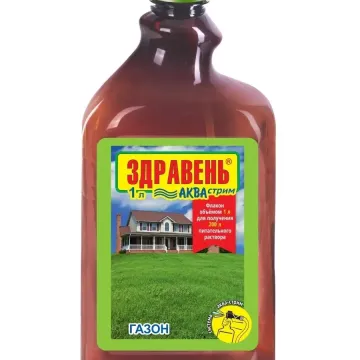
Streamer
Приватне підприємство «ПРОМБУДКОМПЛЕКТ», Україна
Fertilizers
0
0
·
90
2 offers
20.2 €за 1 кг
Купить



Nanit
Scientific-Production Company "Kvadrat", LLC
Fertilizers
0
0
·
55
13 offers
2.4 €за 1 кг
Купить


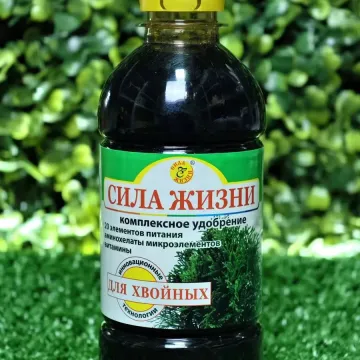
Organic-mineral fertilizer "Sila Zhizni"
ТОВ НВП «Сила Жизни»,Росія.
Fertilizers
0
0
·
52
1 offer
2.6 €за 1 кг
Купить

TERRALIT PLUS
ТОВ «ГЕЗЕЛЬШАФТ ФЮР ГНОТОБІОТЕХНИКИ УНД БІОФОРШУНГ» (GESELLSCHAFT FUR GNOTOBIOTECHNIKI UND BIOFORSCHUNG MBH), Німеччина
Plant Growth Regulator
0
0
·
51
1 offer
3.2 €за 1 л
Купить

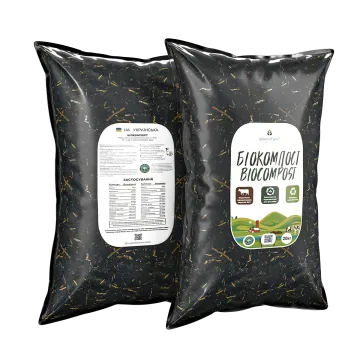
Organic Fermented Fertilizer (Bio-compost)
Enzym Company, JSC
Fertilizers
0
0
·
50
3 offers
0.3 €за 1 кг
Купить

Panamin
Компанія “PANAMIN GmbH”, Австрія, Флорідсдорфер Хауптштрассе 1 , 1210, тел: +43 6602996786
Fertilizers
0
0
·
47
1 offer
7.9 €за 1 кг
Купить

ALPHA-GROU-EXTRA SOYBEANS
Production Enterprise – Consulting
Fertilizers
0
0
·
47
1 offer
0.1 €за 1 кг
Купить


NITROGEN-PHOSPHORUS-POTASSIUM COMPLEX FERTILIZERS
ВАТ «Беларуськалій»
Fertilizers
0
0
·
45
1 offer
1.2 €за 1 кг
Купить

Kalimag Super TU U 24.2-32377656-001-2004
UkrAgroPromKalіy, LLC
Fertilizers
0
0
·
44
6 offers
0.4 €за 1 кг
Купить
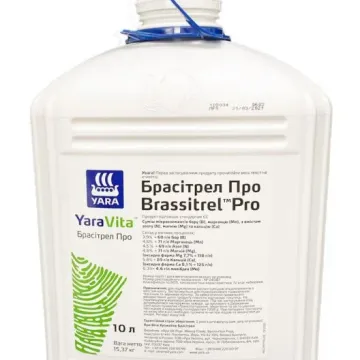

Alfa-Grou-Ekstra Kukurudza
Production Enterprise – Consulting
Fertilizers
0
0
·
44
1 offer
124.8 €за 1 кг
Купить

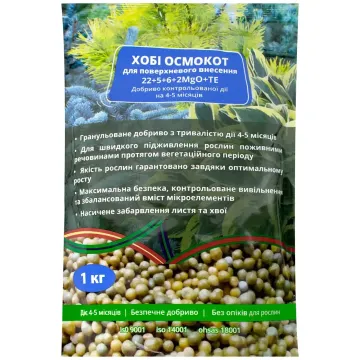
Everris (Enko)
Everris International B.V. (Everris Internation
Fertilizers
0
0
·
42
4 offers
1.8 €за 1 кг
Купить


Super Fertilizer
Дефенда, Україна, Сімейний Сад, Україна
Fertilizers
0
0
·
38
2 offers
4.8 €за 1 кг
Купить

Granulated Superphosphate from Foreign Phosphate Rock
ПАТ «Сумихімпром» (Україна)
Fertilizers
0
0
·
38
7 offers
0.4 €за 1 кг
Купить


AGROLIF
Everris International B.V. (Everris Internation
Fertilizers
0
0
·
36
2 offers
6.9 €за 1 кг
Купить

Quadrostim
Приватне підприємство «ПРОМБУДКОМПЛЕКТ», Україна
Fertilizers
0
0
·
36
3 offers
11.6 €за 1 кг
Купить
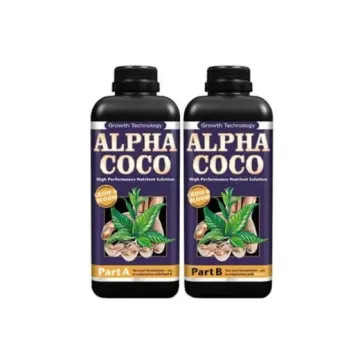

Landscaper Pro (Landscaper Pro)
Everyris International B.V.
Fertilizers
0
0
·
34
2 offers
3.7 €за 1 кг
Купить

Reakom Plyus
Scientific-Production Center "Reakom", LLC
Fertilizers
0
0
·
34
10 offers
4.2 €за 1 кг
Купить
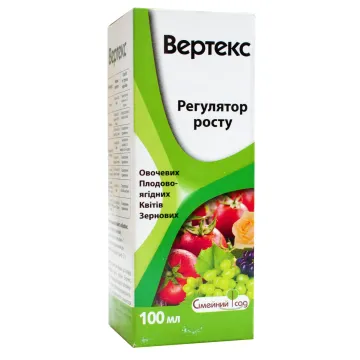
Vertex
Приватне підприємство «ПРОМБУДКОМПЛЕКТ», Україна
Fertilizers
0
0
·
33
3 offers
9.2 €за 1 кг
Купить

Quantum
Scientific-Production Company "Kvadrat", LLC
Fertilizers
0
0
·
33
19 offers
0.2 €за 1 кг
Купить


Potassium Sodium Humate with Microelements
LIFE FACTORI, LLC
Fertilizers
0
0
·
32
5 offers
0.1 €за 1 кг
Купить

Chelated micronutrient fertilizer «Sunny Mix»,
BIONASERVICE PLUS, LLC
Fertilizers
0
0
·
31
1 offer
4 €за 1 кг
Купить

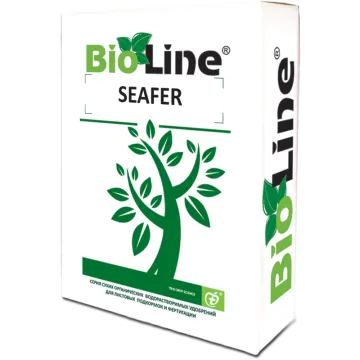

Ammonium Sulphate Long Active
Agricultural Company "BESTA", LLC
Fertilizers
0
0
·
30
4 offers
0.8 €за 1 кг
Купить


NANOFEERTI
INTERREGIONAL SCIENTIFIC-PRODUCTION AGRIBUSINESS
Fertilizers
0
0
·
26
11 offers
4.3 €за 1 кг
Купить

MiniGran DCM Start, MiniGran DCM Vital Green, MiniGran DCM Grass
Компанія ДЦМ (DCM), Гроббендонк, Бельгія
Fertilizers
0
0
·
26
5 offers
3.3 €за 1 кг
Купить


Universal Microfertilizer Based on Chelates of Microelements
Scientific-Production Center "Reakom", LLC
Fertilizers
0
0
·
52
No offers
—
Details
ABS-P 69 with Boron, granular mineral fertilizer
Компанія «Альвернія» S.A., Польща
Fertilizers
0
0
·
51
No offers
—
Details



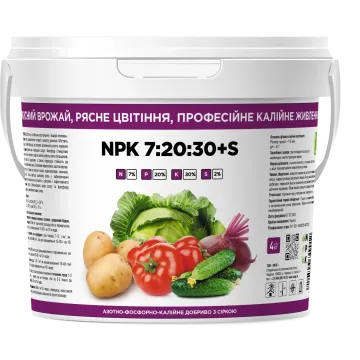
Dobriva azotno-fosforno-kaliini kompleksni NRK
Gomel Chemical Plant, JSC
Fertilizers
0
0
·
44
No offers
—
Details