


SKU #46252
·
59 views
Zoryanii
Apricot
User rating
0 votes0% positive reviews
No ratings yet — be the first.
Ripening Period
Late (131+ days)
Fetal Size
Large (40–60 g), Very large (over 60 g)
Fruit Color
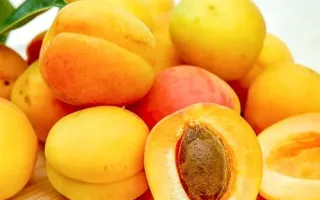
Golden-Orange, Ruddy Blush
Flavor
Sweet (12–14%)
Prices in stores
from1 470 €per 1000 pcs
9 offers from 9 stores
About product

A late-ripening, large-fruited apricot featuring high cold hardiness and strong resistance to fungal diseases.
Ripening Period
Late (131+ days)
Fetal Size
Large (40–60 g), Very large (over 60 g)
Fruit Color
Golden-Orange, Ruddy Blush
Flavor
Sweet (12–14%)
Description
The 'Zorianyi' Apricot: Resilience Meets Late-Season Harvest
Developed by the Sydorenko Institute of Agriculture, the 'Zorianyi' apricot is a standout for growers who prioritize tree health and late-season production. Unlike early-ripening varieties that flood the market mid-summer, 'Zorianyi' matures late (131+ days), providing fresh, sweet fruit when demand is high and supplies are dwindling. Its breeding lineage focuses on robust adaptation to the Ukrainian climate, making it an incredibly reliable performer.
Why choose 'Zorianyi'?
- Superior Disease Resistance: This variety is bred to withstand significant pressure from moniliosis, verticillium wilt, and brown spot. Its high resistance to bacterial spot and cytosporosis significantly reduces the need for heavy chemical intervention.
- Extreme Cold Tolerance: With a hardiness reaching -30°C, 'Zorianyi' is a top choice for regions experiencing harsh winters where less resilient varieties fail.
- Self-Fertility: As a self-pollinating variety, it eliminates the complexity of inter-planting, making it perfect for smaller plots or orchards with limited space.
Fruit Quality and Yield
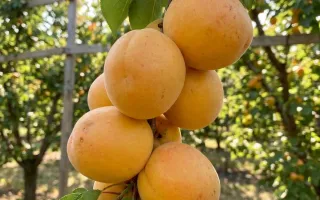
The fruit is impressively large, typically weighing between 40 and 60 grams, often exceeding 60 grams with proper care. Visually, it boasts a golden-orange skin with a vibrant red blush. The flavor is distinctively sweet (12–14% sugar content), and the stone separates easily from the flesh, which is a major advantage for fresh consumption. With yields exceeding 50 kg per tree, it is a high-performance crop.
The Bottom Line
The 'Zorianyi' apricot is designed for growers who want a "low-maintenance, high-reward" tree. Whether you are maintaining a home orchard or a larger garden, its blend of disease resistance and cold hardiness makes it a secure investment. It is the optimal solution for those who want to avoid the common issues of stone fruit cultivation while enjoying a premium, late-harvest yield.
Crop & resistance
Disease resistance
Specifications hover over for a hint about the specification
|
Ripening Period
Ripening Period
It takes 70-100 days until pepper reaches flowering stage, 130-160 days until technical fruit ripeness, and 135-180 days until physiological ripeness. |
Late (131+ days) |
|---|---|
| Fetal Size | Large (40–60 g), Very large (over 60 g) |
|
Fruit Color
Fruit Color
The fruit color of tomato varieties is influenced by the combination of skin and flesh color. Some varieties have transparent skin, others — yellow. When combined differently, the fruits can acquire quite diverse colors. The fruit color is affected by pigments (lycopene) and thei... |
|
| Flavor | |
| Core | |
| Frost Resistance | |
| Disease Resistance | |
| Self-fertility | |
|
Yield
Yield
Overall bulb harvest per unit area. Depends on both onion variety characteristics and agronomic practices, fertilizers, and irrigation. Under optimal growing conditions, an onion yield of 100 tons per hectare and above is not considered record-breaking. |
Very High (>50 kg from tree) |
| Assignment | |
| Tree Height | Medium Height (3–5 m) |
| Features | |
| Catalog | Catalog → Apricot |
| Originator | IIS Sidorenko UAAN |
| Country | Ukraine |
Store offers · 9 from 9 stores
Prices are updated on loadLoading offers…
Aggregator catalog: prices are collected automatically from store websites, normalized by AI and converted at the current exchange rate. Before ordering, confirm the price and availability on the store's website. This block is not indexed by search engines — the data is loaded after the page opens.
See also
Often considered together with this variety





Recently viewed
Similar items in this catalog section




Comments · 0