


SKU #34155
·
19 views
Senat
Corn
KWSUser rating
0 votes0% positive reviews
No ratings yet — be the first.
FAO
90–1240
Ripening
140-160 days
Hybrid Type
Simple Hybrid
Kernel Type
Dent
About product
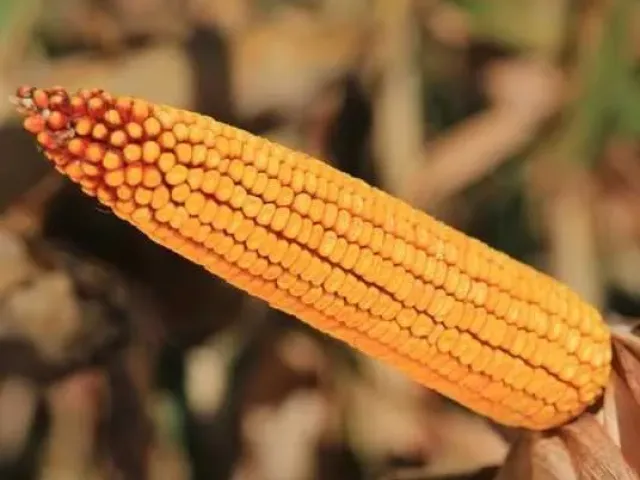
A high-starch silage hybrid designed to maximize forage quality and livestock performance.
FAO
90–1240
Ripening
140-160 days
Hybrid Type
Simple Hybrid
Kernel Type
Dent
Description
German Excellence in Silage Production
The «Senat» maize hybrid from KWS represents the pinnacle of German breeding technology, specifically engineered for high-quality silage production. As a simple-cross hybrid with dent grain, it is meticulously designed for agricultural enterprises aiming to maximize energy density in their forage. With a starch content of 72%, «Senat» serves as a cornerstone for high-yield dairy and livestock operations.
Agronomic Resilience
Adaptability and stability are the core traits of this hybrid. Growing over a period of 140–160 days, «Senat» builds significant biomass while maintaining robust health. Field trials and performance history confirm its high resistance to major maize pathogens, providing a safer and more predictable growing cycle:
- Helminthosporium leaf blight;
- Fusarium ear rot;
- Common smut.
By effectively managing these risks, farmers can focus on yield optimization rather than reactive crop protection.
Cultivation Strategy
The plasticity of the KWS «Senat» hybrid allows growers to optimize plant density based on soil fertility and moisture availability. This flexibility is essential for maximizing yield potential across varying agricultural landscapes:
- Extensive conditions: 50,000–55,000 plants/ha;
- Standard intensive conditions: 60,000–65,000 plants/ha;
- Optimal high-input conditions: 70,000–75,000 plants/ha.
By aligning the planting density with local environmental factors, producers can ensure consistent silage quality. Investing in «Senat» genetics means securing a reliable, nutrient-dense harvest that translates directly into better livestock performance and improved profitability for the farming business.
Crop & resistance
Disease resistance
Specifications hover over for a hint about the specification
|
FAO
FAO
Corn hybrids are classified by maturity groups and by the FAO number. All corn hybrids are distributed according to the FAO scale. Under Central European conditions, a difference of 10 FAO units between hybrids results in a 1-2 day difference in their maturity. The higher the FAO... |
90–1240 |
|---|---|
| Ripening | 140-160 days |
| Hybrid Type | |
|
Kernel Type
Kernel Type
Dent corn (Zea mays indentata) — Large, elongated, flat kernels. The endosperm is horny on the sides of the kernel, mealy in the center and at the top. A depression forms at the top of the kernel upon ripening. Dent corn is the most widely cultivated group among others. Plants ty... |
|
|
Use Direction
Use Direction
Dual-purpose hybrids: for silage and grain in all growing regions. These are "stay-green" type hybrids, meaning the plants remain green for a longer period. However, this does not affect the sugar, cellulose, and hemicellulose content, nor the degree of lignification of the plant... |
|
|
Recommended Density
Recommended Density
Optimal productivity is achieved at a planting density of 4000-5500 plants/ha. Possible planting scheme: 300-500x40-80 cm. |
50-55 thousand pcs/ha, 60-65 thousand pcs/ha, 70-75 thousand pcs/ha |
| Starch content, % | 72 |
| Catalog | Catalog → Corn |
| Manufacturer | KWS |
| Country | Germany |
Store offers
Prices are updated on loadLoading offers…
Aggregator catalog: prices are collected automatically from store websites, normalized by AI and converted at the current exchange rate. Before ordering, confirm the price and availability on the store's website. This block is not indexed by search engines — the data is loaded after the page opens.
See also
Often considered together with this variety


Recently viewed
Similar items in this catalog section







Comments · 0