


SKU #43872
·
48 views
Donor
Feed Beet
User rating
0 votes0% positive reviews
No ratings yet — be the first.
Direction
Recycling, Storage
Root; shape
Cylindrical
Maturation Period
100-110 days, 110-120 days
About product

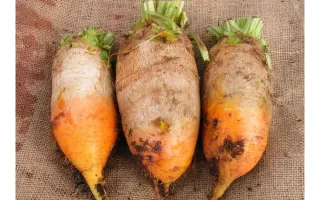
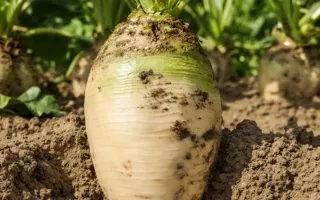
Donor sugar beet is a medium-maturing (105-130 days), high-yielding semi-sugar variety with cylindrical roots, featuring juicy white flesh. This variety is distinguished by its high content of dry matter (up to 12-14%) and sugar, making it especially valuable as animal feed. The upper part of the root and the crown are located above ground, facilitating harvesting both manually and with mechanized…
Direction
Recycling, Storage
Root; shape
Cylindrical
Maturation Period
100-110 days, 110-120 days
Description
Donor sugar beet is a medium-maturing (105-130 days), high-yielding semi-sugar variety with cylindrical roots, featuring juicy white flesh. This variety is distinguished by its high content of dry matter (up to 12-14%) and sugar, making it especially valuable as animal feed. The upper part of the root and the crown are located above ground, facilitating harvesting both manually and with mechanized equipment. Donor is resistant to flowering, stores and transports well, and exhibits high disease resistance, ensuring its reliability and ease of use.
Donor sugar beet is a juicy and milk-promoting feed suitable for all types of farm animals during winter and early spring. It is rich in vitamins, minerals, and valuable dietary fibers, promoting good digestion and feed utilization. Beet can be fed raw, boiled, or steamed. Introducing this feed into the diet of milking goats increases milk yield and improves milk flavor. Recommended feeding rates are up to 2 kg per day for adult goats and starting from 250 g for young stock.
For successful cultivation of the Donor variety, it is recommended to plant it after cucumbers, early potatoes, or cabbage, provided organic fertilizers are applied. Proper storage at +2...+5ºC and careful selection of roots prevent poisoning and ensure animal health. Due to its characteristics and versatility, the Donor variety is one of the most popular for home cultivation for feed purposes.
Donor sugar beet is a juicy and milk-promoting feed suitable for all types of farm animals during winter and early spring. It is rich in vitamins, minerals, and valuable dietary fibers, promoting good digestion and feed utilization. Beet can be fed raw, boiled, or steamed. Introducing this feed into the diet of milking goats increases milk yield and improves milk flavor. Recommended feeding rates are up to 2 kg per day for adult goats and starting from 250 g for young stock.
For successful cultivation of the Donor variety, it is recommended to plant it after cucumbers, early potatoes, or cabbage, provided organic fertilizers are applied. Proper storage at +2...+5ºC and careful selection of roots prevent poisoning and ensure animal health. Due to its characteristics and versatility, the Donor variety is one of the most popular for home cultivation for feed purposes.
Crop & resistance
Disease resistance
Specifications hover over for a hint about the specification
|
Direction
Direction
Existing varieties and types of cabbage are grown for fresh consumption, long-term storage, and technical processing. |
|
|---|---|
|
Root; shape
Root; shape
Roots can be round, elongated-round, cylindrical, conical. |
|
|
Maturation Period
Maturation Period
Vegetation period from emergence to technical maturity 30-50 days. |
100-110 days, 110-120 days |
| Catalog | Catalog → Feed Beet |
| Originator | NSC Institute of Agriculture NAAS |
| Country | Ukraine |
Store offers
Prices are updated on loadLoading offers…
Aggregator catalog: prices are collected automatically from store websites, normalized by AI and converted at the current exchange rate. Before ordering, confirm the price and availability on the store's website. This block is not indexed by search engines — the data is loaded after the page opens.
See also
Often considered together with this variety




Recently viewed
Similar items in this catalog section



Comments · 0