


SKU #43864
·
57 views
Ursus Poly Bis
Feed Beet
Malopolska Hodowla Roslin-HBPUser rating
0 votes0% positive reviews
No ratings yet — be the first.
Direction
Storage
Root; shape
Cylindrical
About product

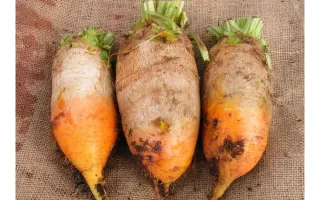
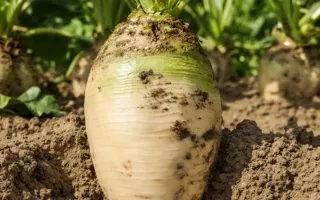
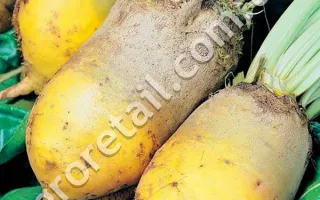
Ursus Poly Bis fodder beet is a high-yielding variety with cylindrical yellow-orange roots and white, juicy flesh. The roots are approximately 40% buried in the soil, which improves their storage quality and reduces contamination during harvesting. The average weight of one root reaches up to 6 kg, and the yield can range from 1000 to 1250 centners per hectare. The variety is distinguished by high…
Direction
Storage
Root; shape
Cylindrical
Description
Ursus Poly Bis fodder beet is a high-yielding variety with cylindrical yellow-orange roots and white, juicy flesh. The roots are approximately 40% buried in the soil, which improves their storage quality and reduces contamination during harvesting. The average weight of one root reaches up to 6 kg, and the yield can range from 1000 to 1250 centners per hectare. The variety is distinguished by high resistance to diseases and lodging, as well as good root and leaf growth, making it a reliable choice for various regions.
Ursus Poly Bis belongs to the multi-stemmed semi-sugar type of fodder beet and is characterized by high dry matter content (up to 14%) and protein (6-7 g per kg), as well as elevated carotene levels, which is especially beneficial for horse feeding. The vegetation period is approximately 145 days. The beet is adaptable to various soils, drought-tolerant, and positively responds to fertilizer application and soil fertility. The recommended sowing rate varies from 10 to 20 kg per hectare, with optimal sowing periods from mid-April to early May.
This fodder beet variety is widely used in animal feeding, including horses, cows, rabbits, goats, pigs, and poultry. Due to the good storability of its roots, they can be stored until December, ensuring stable feed supply during the winter period. The variety is produced in Poland, guaranteeing high-quality planting material.
Ursus Poly Bis belongs to the multi-stemmed semi-sugar type of fodder beet and is characterized by high dry matter content (up to 14%) and protein (6-7 g per kg), as well as elevated carotene levels, which is especially beneficial for horse feeding. The vegetation period is approximately 145 days. The beet is adaptable to various soils, drought-tolerant, and positively responds to fertilizer application and soil fertility. The recommended sowing rate varies from 10 to 20 kg per hectare, with optimal sowing periods from mid-April to early May.
This fodder beet variety is widely used in animal feeding, including horses, cows, rabbits, goats, pigs, and poultry. Due to the good storability of its roots, they can be stored until December, ensuring stable feed supply during the winter period. The variety is produced in Poland, guaranteeing high-quality planting material.
Crop & resistance
Disease resistance
Specifications hover over for a hint about the specification
|
Direction
Direction
Existing varieties and types of cabbage are grown for fresh consumption, long-term storage, and technical processing. |
|
|---|---|
|
Root; shape
Root; shape
Roots can be round, elongated-round, cylindrical, conical. |
|
| Catalog | Catalog → Feed Beet |
| Manufacturer | Malopolska Hodowla Roslin-HBP |
| Originator | Malopolska Hodowla Roslin-HBP |
| Originator | Not available |
| Originator | Malopolska Hodowla Roslin Spolka z o.o. |
| Originator | Malopolska Hodowla Roslin-HBP Sp.z.o.o. |
| Originator | Malopolska Hodowla Roslin Sp. z.o.o |
| Country | Poland |
Store offers · 4 from 3 stores
Prices are updated on loadLoading offers…
Aggregator catalog: prices are collected automatically from store websites, normalized by AI and converted at the current exchange rate. Before ordering, confirm the price and availability on the store's website. This block is not indexed by search engines — the data is loaded after the page opens.
See also
Often considered together with this variety




Recently viewed
Similar items in this catalog section



Comments · 0