

SKU #65072
·
44 views
BULANYI
Oats
ФГБНУ Федеральный исследовательский центр «Немчиновка»User rating
0 votes0% positive reviews
No ratings yet — be the first.
Ripeness Group (days)
Medium-maturing (95-110)
Yield
60+
Disease Resistance
Mixed
Mass of 1000 seeds (g)
36-40
About product

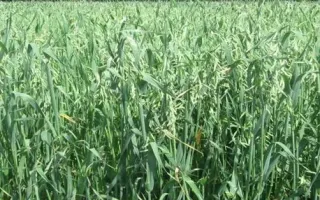
The Bulanyi spring oat variety is a medium-maturing and medium-height variety belonging to the mutica type, characterized by white seeds and the absence of awns. The plant features a semi-erect bush with sturdy, medium-height straw, a two-sided panicle with semi-upright branch placement and drooping spikelets. The mass of 1000 grains ranges from 33 to 41 grams, with grains of medium and large size…
Ripeness Group (days)
Medium-maturing (95-110)
Yield
60+
Disease Resistance
Mixed
Mass of 1000 seeds (g)
36-40
Description
The Bulanyi spring oat variety is a medium-maturing and medium-height variety belonging to the mutica type, characterized by white seeds and the absence of awns. The plant features a semi-erect bush with sturdy, medium-height straw, a two-sided panicle with semi-upright branch placement and drooping spikelets. The mass of 1000 grains ranges from 33 to 41 grams, with grains of medium and large size. The vegetative period is 77-92 days, making the variety medium-maturing and allowing it to ripen simultaneously with the Skakan variety or slightly later. Bulanyi is distinguished by high yield, with an average indicator in dosage regions of 29.3 c/ha, and a maximum recorded yield of 53.9 c/ha in the Smolensk region. The variety is resistant to lodging and shattering, as well as showing weak infection by powdery bunt and crown rust. A key feature of the variety is its resistance to increased soil acidity (pH 4.1-6.1), which allows it to develop effectively and maintain productivity in a wide range of soil composition conditions. This quality distinguishes Bulanyi from other varieties, which experience stress and nitrogen starvation under unfavorable conditions. Bulanyi is recommended for cultivation in the Central, Volga-Vyatka, and Central Black Earth regions, as well as in Moscow and Kaluga regions. The variety responds well to increased agronomy and can be used for grain purposes, as well as in the food industry and for fodder. Protein content in grains ranges from 10.9% to 16.1%, while breeders have overcome the traditional negative correlation between yield and protein content, allowing both indicators to be increased simultaneously. For optimal cultivation of the variety, predecessors such as potatoes, annual grasses, lupin for grain, green manure fallow, and winter wheat are recommended.
Crop & resistance
Disease resistance
Specifications hover over for a hint about the specification
| Ripeness Group (days) | Medium-maturing (95-110) |
|---|---|
|
Yield
Yield
Overall bulb harvest per unit area. Depends on both onion variety characteristics and agronomic practices, fertilizers, and irrigation. Under optimal growing conditions, an onion yield of 100 tons per hectare and above is not considered record-breaking. |
60+ |
| Disease Resistance | |
| Mass of 1000 seeds (g) | 36-40 |
| Protein (%) | 10-11, 12-13 |
| Grain-oriented | |
| Usage Type | |
| Resistance to Sliding | |
| Catalog | Catalog → Oats |
| Manufacturer | ФГБНУ Федеральный исследовательский центр «Немчиновка» |
| Originator | ФГБНУ Федеральный исследовательский центр «Немчиновка» |
| Country | Russia |
Store offers · 3 from 3 stores
Prices are updated on loadLoading offers…
Aggregator catalog: prices are collected automatically from store websites, normalized by AI and converted at the current exchange rate. Before ordering, confirm the price and availability on the store's website. This block is not indexed by search engines — the data is loaded after the page opens.
See also
Often considered together with this variety


Recently viewed
Similar items in this catalog section


Comments · 0