


SKU #65079
·
33 views
TAIDON
Oats
User rating
0 votes0% positive reviews
No ratings yet — be the first.
Ripeness Group (days)
Medium-maturing (95-110)
Yield
50-60
Mass of 1000 seeds (g)
28-32
Protein (%)
13+
About product

TAIDON is a spring barley variety (Avena sativa L.) developed by the Siberian Federal Scientific Center of Agrobiotechnologies of the Russian Academy of Sciences. It belongs to the medium-late varieties and is characterized by high agronomic indicators. The plant is tall, with a semi-erect bush of medium length, which ensures good resistance to lodging at the level or above standard varieties. The…
Ripeness Group (days)
Medium-maturing (95-110)
Yield
50-60
Mass of 1000 seeds (g)
28-32
Protein (%)
13+
Description
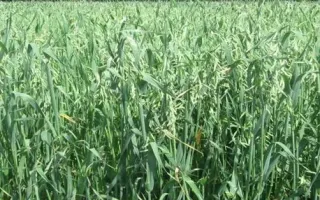
TAIDON is a spring barley variety (Avena sativa L.) developed by the Siberian Federal Scientific Center of Agrobiotechnologies of the Russian Academy of Sciences. It belongs to the medium-late varieties and is characterized by high agronomic indicators. The plant is tall, with a semi-erect bush of medium length, which ensures good resistance to lodging at the level or above standard varieties. The TAIDON panicle is short or of medium length, two-sided with horizontal branch arrangement, and the spikes are drooping, which contributes to optimal crop formation.
The variety is distinguished by its nakedness and valuable grain quality. The mass of 1000 grains varies from 26 to 34 grams, and the grain natural weight is 445-490 g/l. Protein content reaches 14.0%, making TAIDON attractive for use in grain production. In addition, the variety shows moderate resistance to ergot and crown rust, and in field trials was not affected by leaf diseases, which increases its reliability and yield stability.
TAIDON is intended for cultivation in the Western Siberian region and is recommended for use in grain production. The average yield of the variety is about 20 c/ha, and in the Central Black Earth region under field conditions reached 53.3 c/ha. Due to its characteristics and resistance to adverse factors, this oat variety is a valuable choice for agrarians striving to obtain a high-quality and stable crop.
The variety is distinguished by its nakedness and valuable grain quality. The mass of 1000 grains varies from 26 to 34 grams, and the grain natural weight is 445-490 g/l. Protein content reaches 14.0%, making TAIDON attractive for use in grain production. In addition, the variety shows moderate resistance to ergot and crown rust, and in field trials was not affected by leaf diseases, which increases its reliability and yield stability.
TAIDON is intended for cultivation in the Western Siberian region and is recommended for use in grain production. The average yield of the variety is about 20 c/ha, and in the Central Black Earth region under field conditions reached 53.3 c/ha. Due to its characteristics and resistance to adverse factors, this oat variety is a valuable choice for agrarians striving to obtain a high-quality and stable crop.
Crop & resistance
Disease resistance
Specifications hover over for a hint about the specification
| Ripeness Group (days) | Medium-maturing (95-110) |
|---|---|
|
Yield
Yield
Overall bulb harvest per unit area. Depends on both onion variety characteristics and agronomic practices, fertilizers, and irrigation. Under optimal growing conditions, an onion yield of 100 tons per hectare and above is not considered record-breaking. |
50-60 |
| Mass of 1000 seeds (g) | 28-32 |
| Protein (%) | 13+ |
| Grain-oriented | |
| Usage Type | |
| Catalog | Catalog → Oats |
| Originator | Фгбун Сибирский Федеральный Научный Центр Агробиотехнологий Ран |
| Country | Russia |
Store offers
Prices are updated on loadLoading offers…
Aggregator catalog: prices are collected automatically from store websites, normalized by AI and converted at the current exchange rate. Before ordering, confirm the price and availability on the store's website. This block is not indexed by search engines — the data is loaded after the page opens.
See also
Often considered together with this variety


Recently viewed
Similar items in this catalog section


Comments · 0