


SKU #1523
·
4 268 views
Boderin F1
Tomato
SyngentaUser rating
3 votes67% positive reviews
No ratings yet — be the first.
Plant Type
Indeterminate
Fruit Weight
100-150 grams
Fruit Shape
Round
Fruit Color
Red
Prices in stores
from62.1 €per 1000 pcs
13 offers from 8 stores
About product

A reliable indeterminate hybrid with comprehensive disease resistance and excellent fruit transportability.
Plant Type
Indeterminate
Fruit Weight
100-150 grams
Fruit Shape
Round
Fruit Color
Red
Description
Technological potential of the indeterminate hybrid Boderin F1
Choosing Syngenta seed material for professional greenhouse tomato production is primarily about leveraging genetic stability. The indeterminate growth habit of the Boderin F1 hybrid implies unlimited vegetative development, which requires precise agronomic management regarding canopy formation and nutrient supply. Due to its high growth intensity, this tomato ensures an excellent return on investment when managed with proper horticultural techniques.
Phytopathological shield and crop protection
The core value of Boderin F1 lies in its comprehensive resistance profile, which minimizes the risk of commercial product loss during peak season. Its genetically encoded immunity actively combats critical threats in greenhouse environments:
- Verticillium and Fusarium wilt: soil-borne pathogens are effectively blocked at the vascular system level.
- Viral diseases: high resistance to Tobacco Mosaic Virus and various other mosaic viruses prevents epiphytotics within the greenhouse.
This level of protection reduces the need for frequent fungicidal applications, directly impacting both production costs and the overall sustainability of the crop.
Biometrics and market quality
A fruit weight range of 100–150 grams represents the 'gold standard' for retail chains and the fresh market sector. The uniform round shape allows for efficient packing, while exceptional transportability makes this hybrid suitable for logistics across medium to long distances without compromising fruit quality. With a maturation period of up to 90 days, it is classified as a mid-early variety, enabling flexible harvest planning. The recommended planting density of 25,000–30,000 plants per hectare optimizes greenhouse space utilization, ensuring a perfect balance between light penetration and plant population density.
Video · 4 videos
Suggest a video →Crop & resistance
Crop
Disease resistance
Specifications hover over for a hint about the specification
| Plant Type | |
|---|---|
|
Fruit Weight
Fruit Weight
Tomato fruits are classified by weight as: very small — less than 20 grams; small — 20 — 50 grams; medium — 50 — 100 grams; large — 100 — 200 grams; very large — more than 200 grams. |
100-150 grams |
|
Fruit Shape
Fruit Shape
Modern tomato varieties have a diverse fruit shape: flat, flat-round, round, oval, elongated-oval, pear-shaped, plum-shaped, cube-shaped, and cylindrical. On poorly fertile soils and under unfavorable growing conditions, tomato fruits may take on a more rounded shape. |
|
|
Fruit Color
Fruit Color
The fruit color of tomato varieties is influenced by the combination of skin and flesh color. Some varieties have transparent skin, others — yellow. When combined differently, the fruits can acquire quite diverse colors. The fruit color is affected by pigments (lycopene) and thei... |
|
| Product Type | |
|
Maturation Period
Maturation Period
Vegetation period from emergence to technical maturity 30-50 days. |
Up to 90 days |
| Transportability | |
|
Recommended Density
Recommended Density
Optimal productivity is achieved at a planting density of 4000-5500 plants/ha. Possible planting scheme: 300-500x40-80 cm. |
25-30 thousand pcs ha |
| Catalog | Catalog → Tomato |
| Manufacturer | Syngenta |
| Country | Switzerland |
Store offers · 13 from 8 stores
Prices are updated on loadLoading offers…
Aggregator catalog: prices are collected automatically from store websites, normalized by AI and converted at the current exchange rate. Before ordering, confirm the price and availability on the store's website. This block is not indexed by search engines — the data is loaded after the page opens.
Alternatives
Tomato · similar varieties


See also
Often considered together with this variety


Recently viewed
Similar items in this catalog section
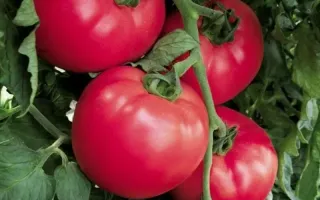


President II F1
Seminis Vegetable Seeds
From your browsing history
1314.7K 21 offer
47.4 €за 1000 шт ≈ 2 420 ₴


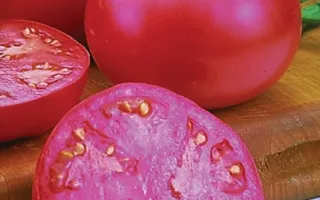
Pink Lady F1 / Pink Girl F1
Seminis Vegetable Seeds
From your browsing history
1911.9K 7 offers
2.9 €за 1000 шт ≈ 148 ₴


Comments · 0