

Pest · Coleoptera (beetles) · affects Sunflower, Winter wheat, Winter rapeseed
Especially harmful
Sunflower stem moth
Mordellistena parvula
Description
The sunflower stem moth or sunflower stem weevil-like beetle (Mordellistena parvula) belongs to the order Coleoptera and the family Mordellidae. It is a specialized pest that causes significant agricultural damage by focusing its activity on the stems of the annual sunflower.
The primary host plant for this insect is the sunflower. However, the larvae can also thrive within the stems of various wild plants from the Asteraceae family. These weeds act as secondary hosts, allowing the pest population to persist throughout the year even in the absence of cultivated crops.
The life cycle involves complete metamorphosis, including egg, larval, pupal, and adult stages. Adult beetles emerge in spring and feed on pollen. Females oviposit into the stems of young plants. Once hatched, the larvae tunnel into the pith, weakening the stem's structural integrity from the inside.
The primary damage is characterized by stem lodging and premature wilting. As larvae destroy the internal tissues, the vascular system of the sunflower is compromised, preventing the transport of nutrients to the head. This results in smaller seeds, reduced oil content, and overall lower crop yields.
Management strategies for controlling this pest require a proactive approach to prevent population outbreaks:
- Deep plowing or mechanical shredding of stubble to eliminate overwintering larvae in the stems.
- Rigorous weed management in and around fields to remove alternative hosts.
- Adhering to crop rotation cycles to break the life cycle of the pest.
- Application of specialized insecticides during the peak flight of adults if the economic threshold is exceeded.
Biology
Taxonomy
- Latin name
- Mordellistena parvula
- Order
- Coleoptera (beetles)
- Family
- Mordellidae
Taxonomy and Latin: EPPO Global Database · code MOREPA
Content graph
Damages crops · 1
Контент-граф
Connections · Sunflower stem moth
Most often together:
Marketplace
Products · 15




Synerid
Hangzhou Ruijiang Chemical Co., Ltd.
Insecticides, Acaricides
0
0
·
39
1 offer
68 €за 1 л
Купить

Instriker
Parijat Industries (India) Pvt. Ltd, Індія.
Insecticides, Acaricides
0
0
·
34
2 offers
15.6 €за 1 л
Купить


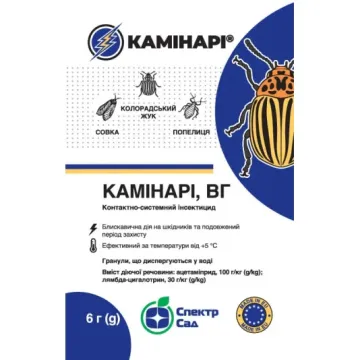

Balaor Protect
Hangzhou Ruijiang Chemical Co., Ltd.
Insecticides, Acaricides
0
0
·
21
7 offers
2.5 €за 1 л
Купить


Chlorpyrifos-Agro
ТОВ «Фабрика агрохімікатів», Черкаси, Україна
Insecticides, Acaricides
0
0
·
27
No offers
—
Details
Community
Discussion
No discussions yet — be the first.