

Description
Thiacloprid is a highly effective active ingredient belonging to the neonicotinoid chemical class, widely recognized for its role as a systemic insecticide in modern agronomy. It is primarily used to control a broad range of chewing and sucking insect pests that threaten agricultural productivity and crop quality across various agro-ecological zones.
The mode of action of thiacloprid involves interfering with the nicotinic acetylcholine receptors within the central nervous system of insects. This interaction causes overstimulation of the neurons, leading to paralysis and the eventual death of the target pest. Due to its systemic properties, the active ingredient is absorbed by the plant and translocated through the vascular system, providing lasting protection for the entire plant, including emerging foliage.
This substance is effectively used on various crops, including oilseed rape, cereals, fruit orchards, vegetables, and vineyards. It is highly effective against major pests such as aphids, weevils, whiteflies, and various types of beetles. Its chemical stability allows for reliable performance even under varying weather conditions, making it a staple in many integrated pest management (IPM) strategies.
When applying thiacloprid, strict adherence to safety regulations is essential to protect non-target organisms, especially pollinators. It is critical to avoid spraying during the crop's flowering stage to prevent exposure to bees. Many regions have established specific guidelines for application timing to mitigate environmental risks associated with this class of insecticides.
Operators must wear appropriate personal protective equipment, including respirators, gloves, and protective suits, during handling and application. Additionally, it is vital to respect pre-harvest intervals to ensure that crop residues remain within safe limits for human consumption and environmental sustainability. Consistent dose calibration according to the label is necessary for optimal results.
- Systemic mode of action with long-lasting residual control.
- Broad-spectrum activity against various insect orders.
- Good rainfastness after drying on the leaf surface.
- Valuable tool for managing resistance in pest populations.
Контент-граф
Connections · Thiacloprid
Most often together:
Marketplace
Products · 43
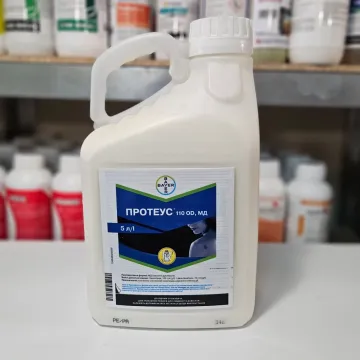
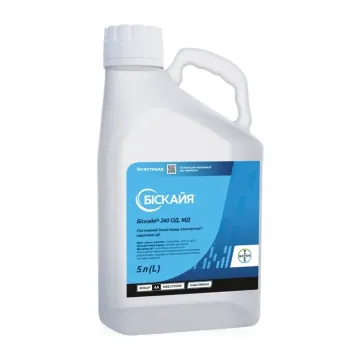

Provanto Vernal 480 SC
SBM Development S.A.S.
Insecticides, Acaricides
0
0
·
221
10 offers
169 €за 1 л
Купить

Provanto Vernal 480 SC
Schirm GmbH
Insecticides, Acaricides
0
0
·
210
10 offers
169.2 €за 1 л
Купить


Viri, KS
ТОВ «Франдеса» , Республіка Білорусь
Insecticides, Acaricides
0
0
·
51
7 offers
24.3 €за 1 л
Купить


Veles
ТОВ «Франдеса» , Республіка Білорусь
Insecticides, Acaricides
0
0
·
49
3 offers
24 €за 1 л
Купить


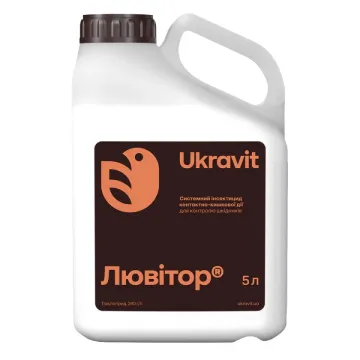


Provanto Otect 110 OD
SBM Development S.A.S.
Insecticides, Acaricides
0
0
·
42
8 offers
64.3 €за 1 л
Купить


Synerid
Hangzhou Ruijiang Chemical Co., Ltd.
Insecticides, Acaricides
0
0
·
39
1 offer
68 €за 1 л
Купить


Calypso 480 SC, (thiacloprid, 480 g
BAYER
Insecticides, Acaricides
0
0
·
34
2 offers
130.9 €за 1 л
Купить


Viriy
ТОВ «Франдеса» , Республіка Білорусь
Insecticides, Acaricides
0
0
·
30
6 offers
14.4 €за 1 л
Купить

COLIBRIS
ТОВ «Фабрика агрохімікатів», Черкаси, Україна
Insecticides, Acaricides
0
0
·
26
8 offers
44 €за 1 л
Купить

Tianid SC, KC
Clov (Shanghai) Co., Ltd.
Insecticides, Acaricides
0
0
·
23
3 offers
46 €за 1 л
Купить



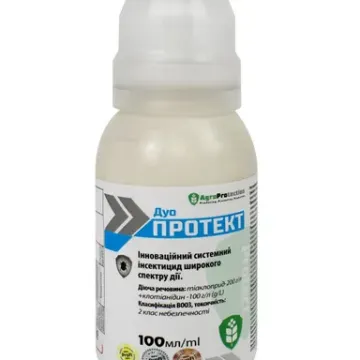
Protect DUO
Innovative company "Agro Protection", LLC
Insecticides, Acaricides
0
0
·
44
No offers
—
Details


