
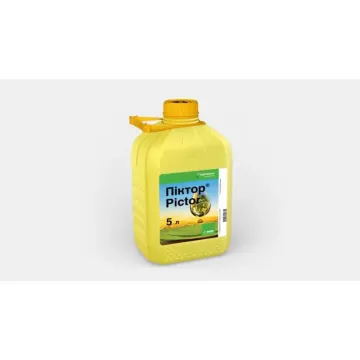
Description
Dimoxystrobin is a potent systemic active ingredient belonging to the strobilurin chemical class. It is primarily used as a fungicide in agricultural settings to provide robust protection against a wide array of fungal pathogens. The compound is known for its ability to deliver both preventive and curative benefits, effectively safeguarding yield potential.
The primary mechanism of action involves the inhibition of mitochondrial respiration in fungal cells. By blocking electron transport at the complex III site (Qo-site), dimoxystrobin disrupts the production of ATP within the pathogen's cells, leading to a total cessation of growth and eventual mortality. Its high lipophilicity enables quick leaf penetration and systemic redistribution throughout the plant tissues.
Common applications for this substance include cereals such as wheat and barley, as well as maize, soybeans, and sugar beets. It demonstrates superior efficacy against diseases including rusts, leaf spot complexes, septoria, and powdery mildew. Farmers often choose dimoxystrobin due to its excellent resistance to wash-off by rain, which ensures crop safety even under unpredictable climatic conditions.
Regarding application guidelines, it is crucial to follow product labeling for optimal dose rates and application timing. To manage resistance, it is standard agronomic practice to rotate dimoxystrobin with fungicides possessing different modes of action (e.g., triazoles). Utilizing it in tank mixtures can provide a comprehensive defense strategy against complex disease pressures.
Safety precautions are essential when handling this chemical. Operators must utilize appropriate personal protective equipment, including gloves, goggles, and protective clothing. Furthermore, environmental stewardship is critical; spraying should be restricted to calm weather to prevent drift, ensuring the substance does not contaminate water bodies or affect non-target organisms, especially during active flowering periods.
Контент-граф
Connections · Dimoxystrobin
Most often together:
Marketplace
Products · 2
