Description
Glyphosate is a systemic, broad-spectrum, non-selective herbicide belonging to the phosphonate chemical class. It is globally recognized as one of the most effective tools for controlling a wide variety of annual and perennial weeds, playing a key role in conservation tillage and pre-sowing field preparation.
The mode of action of glyphosate involves the inhibition of the 5-enolpyruvylshikimate-3-phosphate (EPSP) synthase enzyme. This enzyme is essential for the production of aromatic amino acids such as tyrosine, tryptophan, and phenylalanine within the plant. By disrupting this pathway, glyphosate effectively halts plant growth, leading to gradual yellowing and complete necrosis of the plant within one to three weeks.
The substance is widely applied in various settings, including pre-harvest weed control, fallow fields, and orchard maintenance. It is particularly valued for its ability to translocate from the foliage down into the root system, which is vital for eradicating rhizomatous weeds like couch grass and field bindweed, ensuring that they do not regenerate from the soil.
Successful application depends on treating plants during their peak growth stage to ensure optimal herbicide uptake and translocation. Because glyphosate is non-selective, it must be applied carefully to avoid drift onto non-target crops. Proper calibration of spraying equipment and selecting appropriate nozzle types are necessary to ensure even distribution and avoid accidental exposure to desirable vegetation.
Safety and environmental stewardship are paramount when using glyphosate. Users must wear appropriate personal protective equipment (PPE) during mixing and application to prevent dermal or respiratory exposure. Furthermore, it is critical to observe buffer zones near water bodies to prevent runoff, as the substance is highly active and can have adverse effects on non-target aquatic plants even at low concentrations.
Контент-граф
Connections · Glyphosate
Most often together:
Marketplace
Products · 3
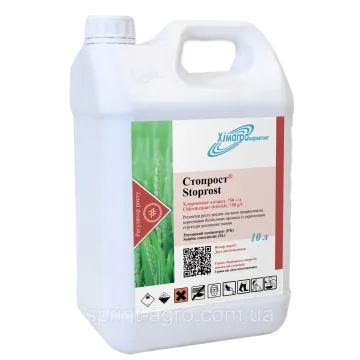
Kros, RK
Ф.Суперус Ко ., Лтд., Гонг-Конг, Шанхай, Китай.
Plant Growth Regulator
0
0
·
47
1 offer
0.5 €за 1 л
Купить