

Description
Abamectin is a potent active ingredient derived from the soil-dwelling actinomycete Streptomyces avermitilis, belonging to the avermectin class. It is widely used in modern agriculture as a powerful insecticide and acaricide, known for its contact and stomach action against a diverse range of agricultural pests.
The primary mechanism of action involves the stimulation of gamma-aminobutyric acid (GABA) release, which inhibits the transmission of nerve impulses in the pest's nervous system. This disruption causes paralysis, leading to the cessation of feeding within hours and eventual mortality. Because of this specialized mode of action, it is effective against pests that have developed resistance to other common pesticide classes.
Abamectin is primarily used on fruits, vegetables (such as cucumbers, tomatoes, and peppers), citrus, and ornamental plants to control spider mites, russet mites, leafminers, and thrips. A key characteristic is its translaminar activity, which allows the substance to move into the leaf tissue and form a localized reservoir of protection, effectively shielding the crop even when spray coverage is not perfect.
Effective usage requires careful timing and application techniques. While the compound works well in warm conditions, it should be applied with proper equipment to ensure thorough coverage of the underside of leaves, where many target pests reside. It is often integrated into rotation programs to manage pest populations in greenhouses and orchards effectively.
- Highly toxic to bees and aquatic organisms; requires strict buffer zones and timing.
- Possesses a relatively short pre-harvest interval, supporting sustainable crop management.
- Non-systemic movement restricts protection to tissues treated directly or locally absorbed.
- Can be combined with other pesticides, provided that tank mix compatibility is verified.
Safety is paramount when handling Abamectin-based formulations. Operators must wear full personal protective equipment (PPE), including gloves and respiratory protection, to prevent accidental exposure. Given its high toxicity to non-target wildlife and aquatic life, environmental precautions must be strictly followed, ensuring that runoff does not reach water sources or sensitive habitats.
Regulatory
Status in the European Union
Approved in the EU
- CAS number
- 71751-41-2
- Approved from
- 01.04.2023
- Approval until
- 31.03.2038
- ADI
- 0.0012 mg/kg bw/day
- ARfD
- 0.0012 mg/kg bw
- AOEL
- 0.0012 mg/kg bw/day
Hazard classification (CLP)
Acute Tox. 1 - H330Acute Tox. 2 - H300Aquatic Acute 1 - H400Aquatic Chronic 1 - H410Repr. 2 - H361dSTOT RE 1 - H372
EU legislation
Regulatory status data: EU Pesticides Database © European Union, CC BY 4.0. EU status is for reference only and does not replace national registration in your country.
Контент-граф
Connections · Abamectin
Most often together:
Marketplace
Products · 22

Douglas
China Chemical Industrial & Rice Co. Ltd
Insecticides, Acaricides
0
0
·
1.3K
7 offers
0.8 €за 1 л
Купить

ACTOVERM (ACTOVERM)
TRADE HOUSE "BTU-Center", LLC
Insecticides, Acaricides
0
0
·
61
2 offers
10.6 €за 1 л
Купить


Acaromik
Rotam Agrochemical Company Limited
Insecticides, Acaricides
0
0
·
46
12 offers
42.8 €за 1 л
Купить
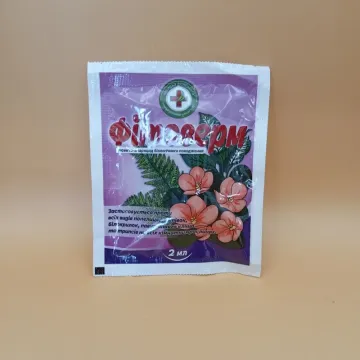
Fitoverm
Innovative company "Agro Protection", LLC
Insecticides, Acaricides
0
0
·
46
2 offers
41.3 €за 1 л
Купить



Acaromik, EC
Rotam Agrochemical Company Limited
Insecticides, Acaricides
0
0
·
38
8 offers
43.9 €за 1 л
Купить


Abasaid 2
Джі. Джі. МАУГЕТ КОМПАНІ (J.J. MAUGET COMPANY), США
Insecticides, Acaricides
0
0
·
42
No offers
—
Details
