

Description
Rye (Latin: Secale cereale L.) is a vital agricultural crop belonging to the grass family (Poaceae). It is globally recognized as one of the most hardy cereal crops, specifically adapted to withstand harsh winters and poor soil conditions where other grains struggle to thrive.
Originating from the mountainous regions of Western and Central Asia, rye has historically spread across Northern and Eastern Europe. Today, it remains a staple crop in cool, temperate climates. Its adaptability allows it to perform well in sandy, acidic soils, making it an essential component of crop rotation systems in various agricultural zones.
The botanical structure of rye features a robust, deep-penetrating root system and a hollow, segmented stem known as a culm. It is characterized by its distinct inflorescence, a terminal spike that typically contains two-flowered spikelets. Rye exhibits vigorous growth in the early spring, allowing it to suppress weeds efficiently before the canopy closes.
In terms of agricultural use, rye is primarily cultivated for grain production used in bread-making, distilling, and livestock feed. Furthermore, it is extensively used as a cover crop and green manure. By incorporating rye into a cropping system, farmers can significantly improve soil structure, increase organic matter content, and mitigate nutrient leaching during winter months.
Effective crop management requires a proactive approach to pathology and entomology. Common diseases threatening rye production include alternaria leaf spot, anthracnose, helminthosporium blight, rhizoctonia, sclerotinia, pythium root rot, blue mold, and fusarium root rot. Key pests that require monitoring and control measures include the beet webworm (meadow moth), sunn pest, leaf miner moth, leaf miner flies, and false scale insects.
Content graph
Crop diseases · 40
Alternaria leaf spotAnthracnoseBarley scaldBarley yellow dwarfBlue moldCephalosporium stripeCercospora leaf spotCladosporiosisCommon buntCommon scabDilophospora leaf spotDwarf buntErgotEyespot of cerealsFusarium root rotFusarium wiltHalo blightHalo spot of barleyHelminthosporium blightKarnal buntLeaf rustLeaf streakLoose smutParaphaeosphaeria leaf spotPink rootPowdery mildewRhizoctoniaRoot-knot nematodeRust diseaseSclerotinia rotSeptoria leaf blotchSeptoria leaf spotSeptoria tritici blotchSoilborne mosaicStalk smutStem rustStripe rustTake-allTan spotWheat seed gall nematode
Content graph
Crop pests · 5
Контент-граф
Connections · Rye
Most often together:
Marketplace
Products · 377
All 377
Fungicides 160
Herbicides, Desiccants 92
Fertilizers 38
Plant Growth Regulator 38
Insecticides, Acaricides 34
Rye 8
Rodenticides 3
Biological Products 3
Adjuvants 1


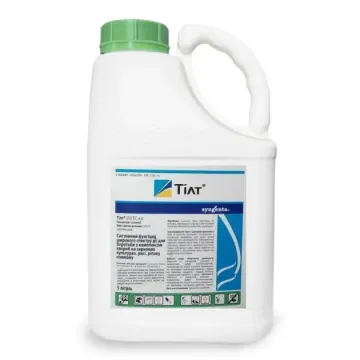
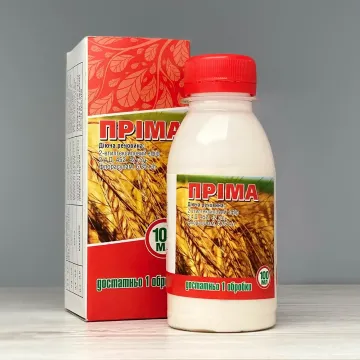
Prima
Доу АгроСайенсіс С.А.С., Друзенхайм, Франція
Herbicides, Desiccants
0
0
·
4.7K
8 offers
10.5 €за 1 л
Купить


Vitavax 200 FF
Crompton (Uniroyal Chemical) Registration Limited
Fungicides
1
0
·
4.1K
7 offers
6.3 €за 1 л
Купить


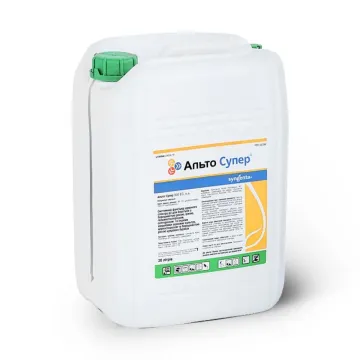
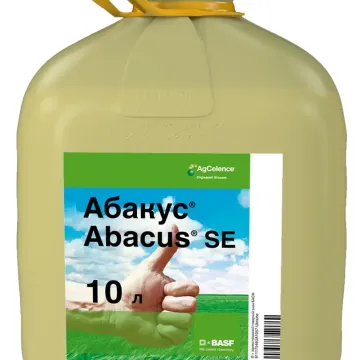


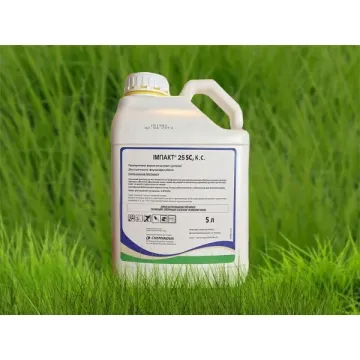

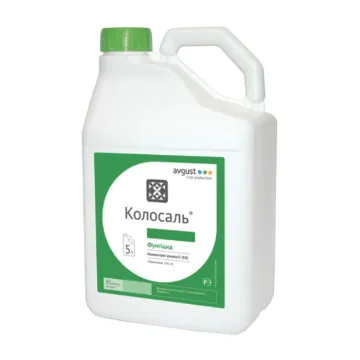

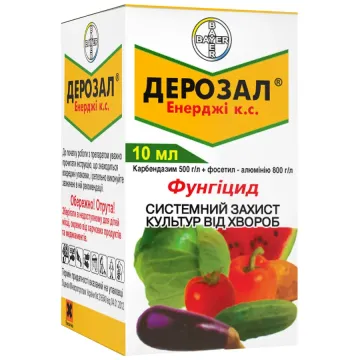


Alpha-Dicamba
Unicity Enterprises L.P.
Herbicides, Desiccants
0
0
·
2.8K
18 offers
9.9 €за 1 л
Купить


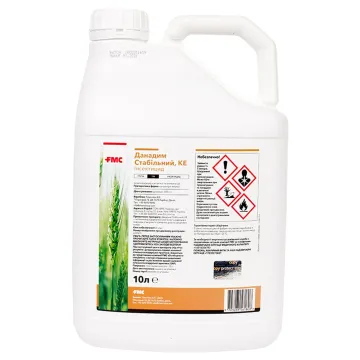

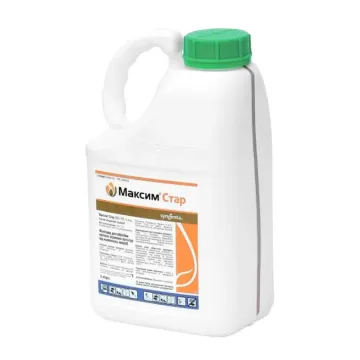

Gold Star
ТОВ «Фабрика агрохімікатів», Черкаси, Україна
Herbicides, Desiccants
0
3
·
2.4K
15 offers
14.3 €за 1 л
Купить


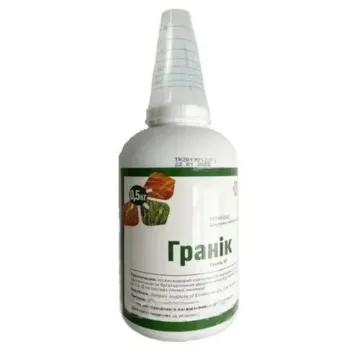


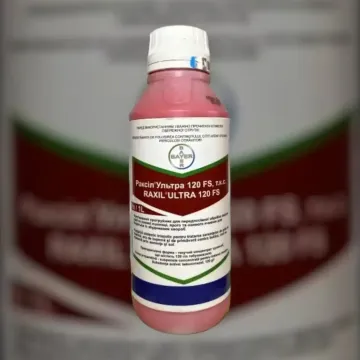


Sumithion
Sumitomo Chemical Agro Europe S.A.S.
Insecticides, Acaricides
2
0
·
2.2K
7 offers
13.3 €за 1 л
Купить


Chlormequat chloride (SSC-720)
Штефес
Plant Growth Regulator
0
0
·
1.6K
11 offers
2.4 €за 1 л
Купить

Doctor Crop
Jiangsu Agricoem Laboratory Co., Ltd.
Fungicides
0
0
·
1.6K
19 offers
5.6 €за 1 л
Купить


Forsaj 500 SC
China Chemical Industrial & Rice Co. Ltd
Fungicides
0
0
·
1.5K
6 offers
1.6 €за 1 л
Купить
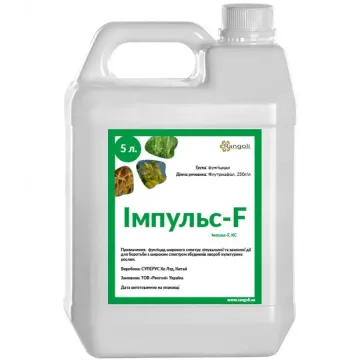

2,4-D Active
Санрайз Кемікалз Ко. Лтд., Шанхай, Китай
Herbicides, Desiccants
0
0
·
1.4K
9 offers
3.5 €за 1 л
Купить


