Bosnian pine
Pinus heldreichii H. Christ
Description
The Bosnian pine, scientifically classified as Pinus heldreichii, belongs to the Pinaceae family. It is a slow-growing, evergreen conifer highly valued for its dense, conical habit and its ability to maintain an attractive appearance throughout the year.
Native to the mountainous regions of the Balkan Peninsula and parts of Italy and Greece, this species is naturally adapted to high altitudes and limestone outcrops. Its evolutionary history in challenging mountainous terrains has equipped it with exceptional resilience to cold winds and poor, rocky soil conditions.
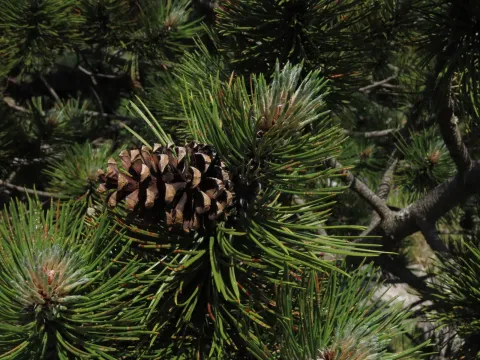
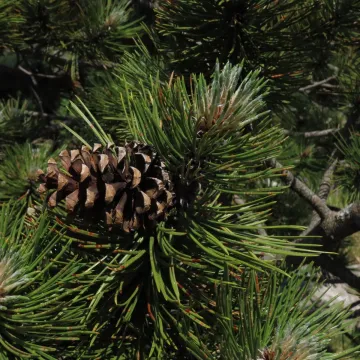
Botanically, the tree is distinguished by its stiff, deep green needles bundled in pairs and its unique purple-blue juvenile cones. The bark is a notable aesthetic feature, transitioning from smooth grey in youth to a thick, scaly, plate-like appearance that adds character and textural interest to any landscape.
In terms of agricultural and horticultural requirements, the Bosnian pine thrives in full sun and well-drained soil. It is remarkably drought-tolerant once established and does not require frequent fertilization. Pruning is rarely needed, as the tree naturally maintains a tidy shape, though light maintenance can be performed to remove deadwood.
The primary use of Pinus heldreichii is ornamental, making it an excellent choice for parks, gardens, and urban greening due to its pollution tolerance. While it is generally robust, growers should remain vigilant against common issues:
- Sphaeropsis blight
- Pine needle rust
- Scale insects
- Root rot in waterlogged conditions
Photo gallery