Japanese black pine
Pinus thunbergii Parl.
Description
The Japanese black pine (Pinus thunbergii Parl.) is a prominent evergreen species belonging to the Pinaceae family. Renowned for its rugged appearance and dark, scaly bark, it has become one of the most popular species for bonsai cultivation and formal landscape design. The tree is celebrated for its ability to develop a dramatic, windswept appearance as it matures.
Native to the coastal regions of Japan and the Korean Peninsula, this pine is naturally adapted to harsh maritime environments. Its evolutionary history has endowed it with a high tolerance for salt spray and nutrient-poor, sandy soils. In the modern landscape, it is widely utilized across various temperate regions due to its architectural versatility and adaptability.
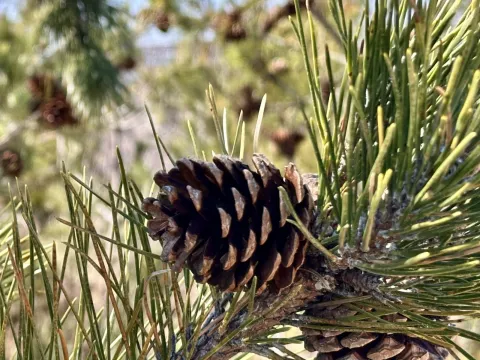
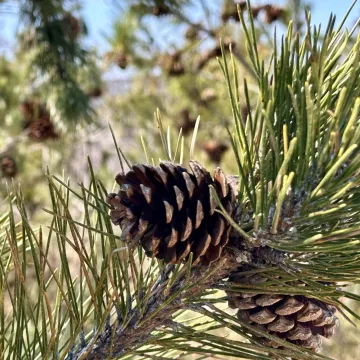
Botanically, the tree is characterized by stiff, deep green needles arranged in pairs, reaching lengths of 12 to 15 centimeters. The candles (new growth) are distinctive and allow for precise manipulation during pruning processes. The tree produces small, conical woody cones that mature during the second season, contributing to its ornamental value throughout the year.
Agricultural and horticultural success with this species depends on providing full sun exposure, which is critical for maintaining a dense canopy. The tree requires well-draining soil and performs best in slightly acidic conditions. Maintenance involves careful watering during dry spells, although established trees demonstrate significant drought tolerance. Regular needle plucking and candle pruning are standard techniques used to guide the plant's shape.
- Key pests: Pine sawfly, scale insects, and bark beetles.
- Common diseases: Diplodia tip blight, needle cast, and root rot.
In terms of usage, the Japanese black pine is invaluable for coastal erosion control and as a premium specimen in public and private gardens. Its resilience makes it an excellent choice for challenging sites, provided that soil moisture is managed correctly. To ensure longevity, growers should prioritize early intervention against typical pests and maintain soil health through consistent but moderate fertilization.
Photo gallery