Crimean pine
Pinus nigra J. F. Arnold subsp. pallasiana (Lamb.) Holmboe
Description
The Crimean pine (lat. Pinus nigra subsp. pallasiana) is a prominent member of the Pinaceae family. Renowned for its hardiness and architectural beauty, it is widely used in reforestation projects and ornamental landscaping. As a robust species, it thrives in environments that are often unsuitable for less resilient tree varieties.
The native distribution of this subspecies includes the Crimean Peninsula, as well as regions across the Balkans and parts of Asia Minor. Its natural habitat consists of rocky slopes and limestone-rich mountainous terrain, which has instilled in the tree a remarkable tolerance for dry, poor-quality soils and strong winds.
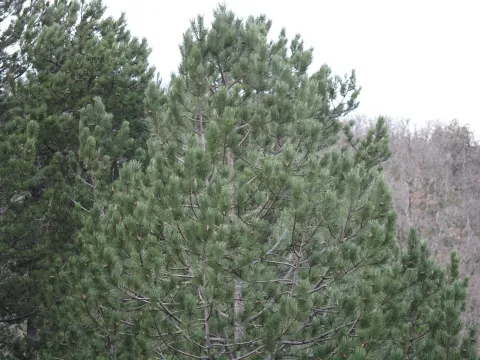
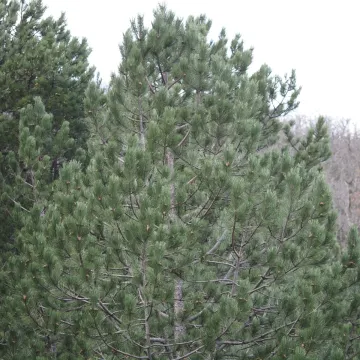
Botanically, this pine is distinguished by its dense, dark green needles and a broad, umbrella-shaped crown that develops as the tree matures. The deep root system provides excellent soil stabilization, making it an ideal choice for planting on slopes prone to erosion. The bark is characteristically thick and furrowed, offering protection against thermal extremes.
When cultivating the Crimean pine, it is essential to ensure adequate sun exposure, as the species is highly intolerant of shade. The soil must be well-drained, as excessive moisture can lead to root rot. Standard agricultural practices include proper spacing to allow for airflow, which reduces the incidence of fungal diseases, and minimal fertilization after the initial establishment phase.
Economic applications for this species include timber production, windbreak establishment, and urban forest development. Managing the health of these trees requires vigilance against environmental stressors and common pests. The most frequent issues include:
- Diplodia tip blight
- Pine needle scale
- Sphaeropsis blight
- Bark beetles
Photo gallery