Mountain cornflower
Centaurea montana L.
Description
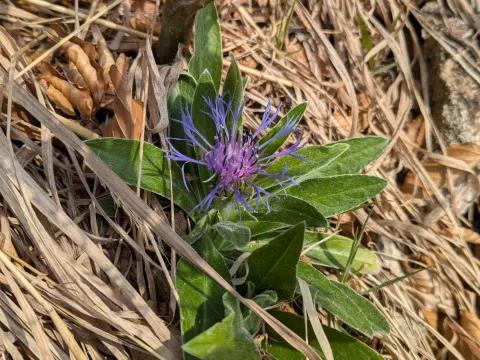
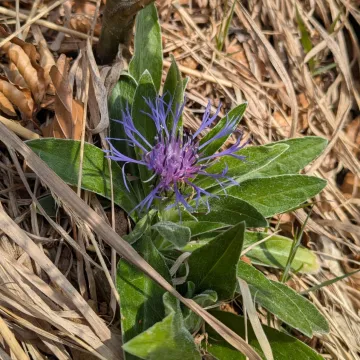
Mountain cornflower (Latin: Centaurea montana L.) is a robust perennial herb belonging to the Asteraceae family. Known for its distinct, fringed, vibrant blue flowers, it is widely utilized in horticulture and landscape design as an ornamental crop, valued for its long-lasting blooms and structural foliage.
Native to the mountain ranges of Central and Southern Europe, this species has adapted to cooler, high-altitude climates. It is highly resilient and frost-hardy, making it a reliable perennial in various temperate regions across the world, where it thrives in alpine-like conditions or managed garden borders.
Botanically, it features a spreading rhizomatous root system, which allows the plant to form dense colonies over time. The stems are sturdy and typically reach heights of 40–60 cm. The flower heads are large, reaching up to 8 cm in diameter, and possess a unique shape that distinguishes them from the common annual cornflower species.
Regarding agrotechnical requirements, the plant prefers well-drained, fertile soils with a neutral to slightly alkaline pH. It is quite drought-tolerant once established but performs best when provided with consistent moisture during its peak growing season. Full sun exposure is recommended to maintain the intensity of its floral coloration and overall plant vigor.
The mountain cornflower is relatively easy to maintain, yet it requires management against specific biotic threats. Common pests include aphids and spider mites, which can be controlled through integrated pest management techniques. Fungal infections, such as powdery mildew, may occur in overcrowded plantings, emphasizing the importance of proper spacing and air circulation in agricultural and garden practice.
Photo gallery