Common Finger Grass
Digitaria eriantha Steud.
Description
Common Finger Grass (Digitaria eriantha Steud.) is a perennial forage grass belonging to the Poaceae family. Recognized for its excellent palatability and nutritional value, it is widely utilized in agriculture as a robust pasture plant capable of producing high yields of green forage for livestock, particularly in warm-climate regions.
Originating from Southern Africa, this grass has become a staple forage crop across various parts of the globe, including Australia, the United States, and South America. Its ability to thrive in diverse environments has made it a preferred choice for land managers seeking to improve forage production and stabilize pasture sustainability.
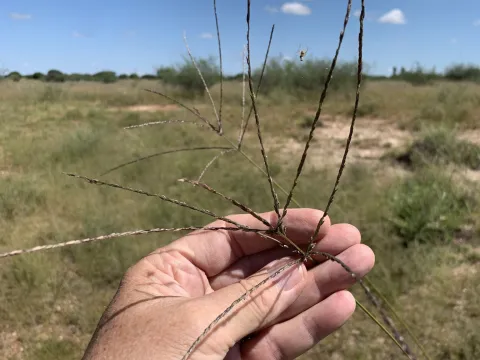
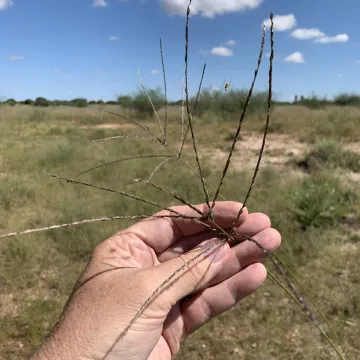
Botanically, Digitaria eriantha is characterized by a dense tufted growth habit and a deep, extensive root system that enables it to survive under challenging environmental conditions. Its foliage is succulent and nutritious, while the inflorescence consists of characteristic finger-like racemes, which gives the plant its common name and distinguishes it from other wild grasses.
This grass is highly adaptable to a variety of soil types, ranging from sandy loams to heavier clays, provided there is adequate drainage. It is known for its remarkable drought tolerance, though it thrives best in warm conditions with moderate rainfall. It is not frost-tolerant, so it is primarily cultivated in tropical and subtropical regions where it responds vigorously to nitrogen fertilization and rotational grazing.
The agricultural applications of Common Finger Grass are extensive and include:
- Intensive rotational grazing systems for beef and dairy cattle.
- Production of high-quality hay and silage for winter feed.
- Erosion control on sloping or degraded lands due to its strong root system.
- Integration into agroforestry and land reclamation projects.
While relatively hardy, the crop can be affected by specific fungal diseases, such as leaf rust, especially under conditions of high humidity or poor air circulation. Common pests include various sap-sucking insects and grass-feeding caterpillars. Effective pasture management, including appropriate stocking rates and regular mowing, is essential to maintain plant health and suppress potential infestations.
Photo gallery