Egyptian crabgrass
Digitaria aegyptiaca Willd.
Description
Egyptian crabgrass (Digitaria aegyptiaca Willd.) is a notable member of the Poaceae family, widely recognized for its rapid biomass production and adaptability to various environmental conditions. This annual grass species is often cultivated in regions with warm climates to provide reliable forage for livestock during peak growing seasons.
The plant originates from the tropical and subtropical zones of Africa and Asia, particularly the Egyptian regions and India. Throughout history, it has been dispersed to various parts of the world, adapting well to arid and semi-arid environments. Its evolutionary success is tied to its ability to thrive in poor soils and withstand high levels of solar radiation.
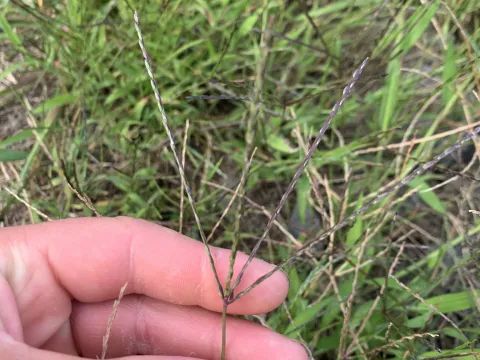
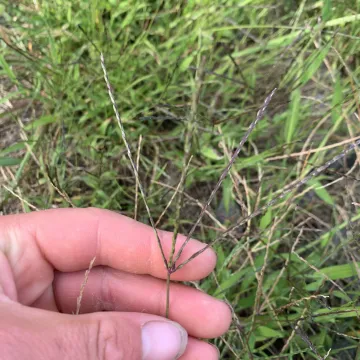
Botanically, Digitaria aegyptiaca presents as a tufted grass with slender, flat leaves and a characteristic digitate inflorescence composed of several spreading racemes. The plant's root system is extensive and fibrous, which allows it to stabilize soil and maintain growth even under moisture stress. The stems are typically erect or spreading, contributing to a dense canopy.
Successful cultivation requires warm temperatures and well-drained soil, preferably sandy or loamy textures with a neutral to slightly acidic pH. Farmers should focus on seedbed preparation and adequate nitrogen fertilization to ensure rapid establishment. The management of water resources is critical; although drought-tolerant, supplemental irrigation significantly improves the quality and quantity of the forage yield.
The economic value of this crop is primarily found in its use as high-quality forage for cattle and other ruminants. To maintain nutritional value, it is essential to harvest the grass before it reaches full maturity to prevent excessive lignification. Major challenges in cultivation include typical grass diseases such as rusts and mildews, along with potential infestations by aphids and grass-feeding insects, requiring proactive monitoring and integrated pest management strategies.
Photo gallery