Black-seeded nutsedge
Cyperus melanospermus (Nees) J. V. Suringar
Description
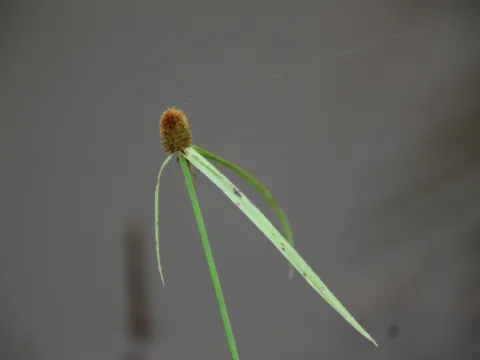
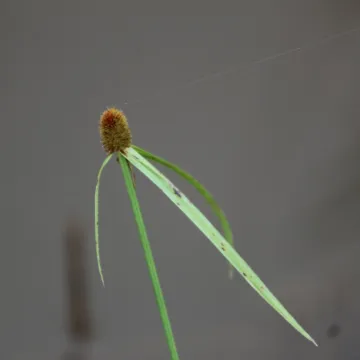
Black-seeded nutsedge (Cyperus melanospermus) is a perennial herbaceous species belonging to the family Cyperaceae. As an agricultural or ecological subject, it is recognized for its adaptation to high-moisture environments. The species is named for its distinctive dark-pigmented seeds, which serve as a primary visual identifier in the field.
The origin of this species is largely attributed to tropical and subtropical regions, particularly in Africa. Its natural range encompasses wetlands, stream banks, and seasonally flooded grasslands. It thrives in environments where water availability is consistent throughout the year, making it a specialized plant that excels in habitats where other crops might struggle due to excess moisture.
Botanically, Cyperus melanospermus is characterized by a sturdy rhizomatous root system and triangular stems typical of the sedge family. The leaves are slender and basal, while the inflorescence is complex and umbrella-shaped. The seeds are small, dark, and resilient, allowing the plant to propagate effectively in marshy areas after periods of dormancy or fluctuation in water levels.
Agronomic requirements for this crop focus on soil moisture management. It prefers organic-rich, heavy soils that retain water well. Unlike typical field crops, it does not require well-drained soil; rather, it performs best in saturated or hydric conditions. In managed settings, nitrogen fertilization can enhance biomass production, although soil pH should be monitored to ensure optimal nutrient uptake.
Economic and practical applications for this species are diverse, often centering on its ability to inhabit marginal lands:
- Utilization as a forage source for livestock in wetlands where more common grasses fail.
- Application in bio-engineering for soil stabilization and erosion control along water channels.
- Use in landscape restoration projects aimed at reclaiming marshy areas or creating habitat zones.
Common issues include fungal pathogens that thrive in the same humid conditions the plant prefers, particularly if circulation is poor. Pest infestations are generally managed through cultural practices rather than chemicals. Proper spacing and controlled water cycles are the most effective ways to maintain a healthy stand and ensure high productivity throughout the growing season.
Photo gallery